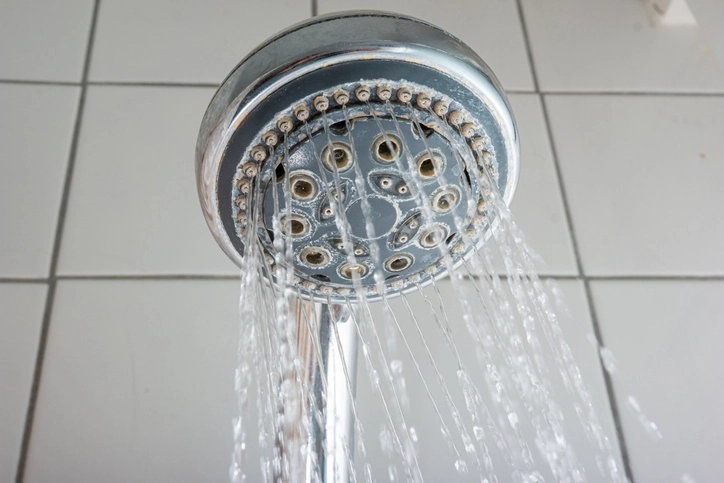
92% of home insurance claims in Victoria involved water-related defects—a key trigger for mould growth—according to a joint study by VBA, Victoria University, and VMIA (2018–2020). Source: Victorian Building Authority (VBA)
As winter sets in, properties across Melbourne and Victoria are at higher risk due to excess moisture, poor ventilation, and undetected leaks.
Are you a property manager or owner of a residential or commercial space?
Then winter isn’t just about keeping the heating on, but it’s more about keeping the mould out, especially if the property is in Australia. With health risks, tenant complaints, and costly repairs on the line, proactive mould inspection isn’t optional; it is essential.
✅ Related read: Top 10 Symptoms of Mould Toxicity & How to Spot Them
Table of Contents
- Why Winter Increases Mould Risk
- Property Manager Mould Responsibilities in Victoria
- Interior Maintenance for Mould Prevention
- Exterior Maintenance for Mould Prevention
- Other Key Maintenance Areas for Winter Property Upkeep
- Tenant Roles and Responsibilities
- Common Places to Find Mould in Winter
- Final Thoughts: Prevention Is Better Than Cure
Why Winter Increases Mould Risk
During colder months, indoor spaces are sealed tightly to preserve heat. Unfortunately, this can trap moisture, fueling mould growth, especially in areas with poor ventilation, such as bathrooms, kitchens, or behind furniture.
Important Tip: Even minor leaks during winter can lead to major mould issues if not fixed promptly.
✅ Related read: Mould Reduction Tips to Prevent Mould Growth
Property Manager Mould Responsibilities

As a property manager or landlord, it’s your duty to:
- Maintain the premises in good repair.
- Respond promptly to mould complaints.
- Conduct seasonal inspections.
- Document findings and actions.
This is not only best practice but a compliance issue under Victorian rental laws.
Important Tip! Act fast when a leak or mould patch appears. Delay can void insurance claims and damage tenant relationships.
Complete Winter Mould Inspection Checklist
Use this rental property winter maintenance checklist to prepare your property and prevent moisture-related problems.
Interior Maintenance for Mould Prevention
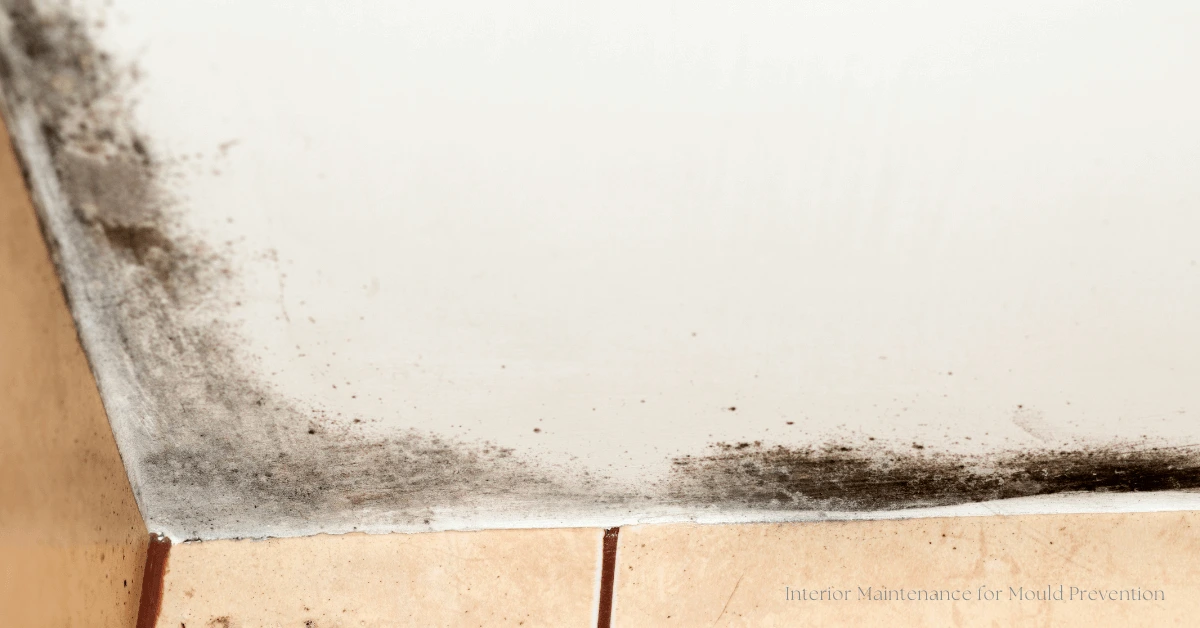
Here’s what landlords and property managers should inspect inside the property:
Walls & Floors:
- Check for peeling paint or discolouration
- Look for soft or warped wood areas
Windows & Frames:
- Inspect sills for condensation build-up
- Ensure seals are intact and no leaks
Carpets & Cabinets:
- Lift corners of carpets to check for mould beneath
- Look inside storage units, especially in kitchens and bathrooms
Bathrooms & Kitchens:
- Inspect tiles, grout, and caulking for cracks
- Ensure exhaust fans are working effectively
Appliances:
- Look behind and beneath fridges, ovens, and washing machines
Important Tip! Look out for discolouration, musty smell, condensation buildup, and soft walls.
Exterior Maintenance for Mould Prevention

Outdoor maintenance is just as critical to stop water from entering the home.
Roof & Gutters:
- Clear leaves and debris
- Check for cracked tiles or broken seals
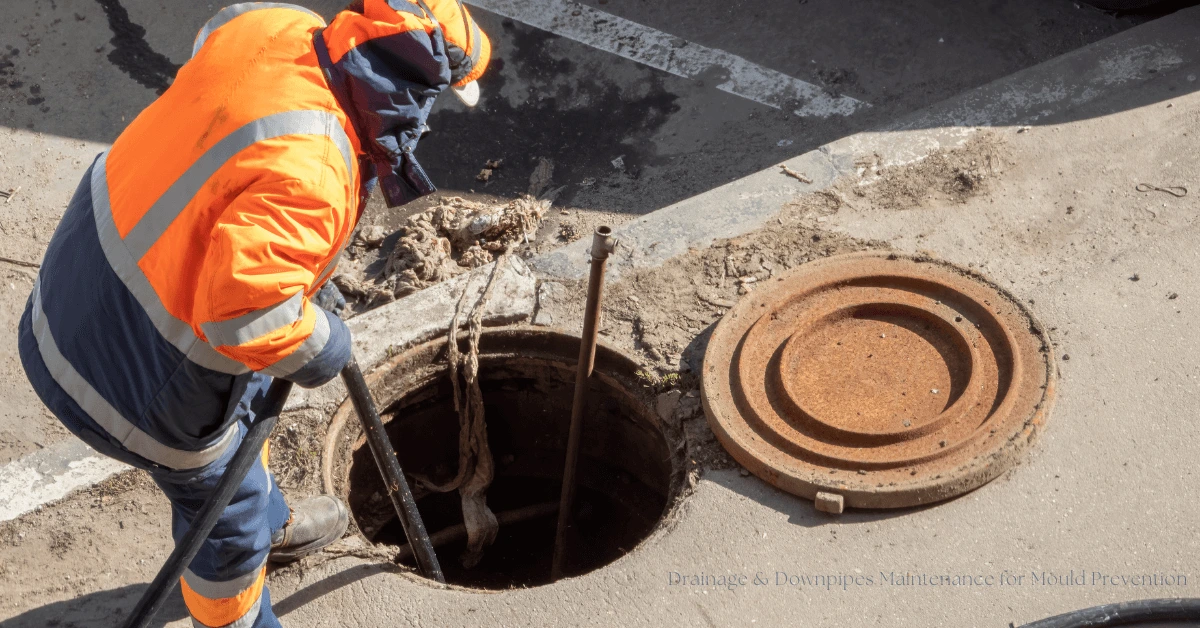
Drainage & Downpipes:
- Ensure water flows away from the foundation
- Inspect for pooling around the home
Patios, Garages & Garden:
- Look for waterlogged soil or leaks near structures
Other Key Maintenance Areas for Winter Property Upkeep:
Winter maintenance goes beyond just sealing windows. These essential checks can prevent costly damage and ensure your tenants’ safety and satisfaction.
- Check Guttering and Drainage
Overflowing gutters and blocked downpipes can lead to water seepage and structural damage. Regularly clear leaves and debris from gutters and stormwater drains to prevent damp issues and maintain proper water flow during winter rains.
✅ Related Read: What Are the Common Reasons for Bathroom Leaks?
- Plumbing and Pipe Protection
Frozen pipes can burst and cause significant water damage. Insulate exposed pipes, especially in unheated areas, and fix any minor leaks early. For vacant properties, consider shutting off the water supply and draining the system. - Prevent Mould and Damp Issues
Cold air outside and warm air inside increase indoor moisture levels. Encourage airflow by using exhaust fans and opening windows periodically. Inspect areas prone to dampness and repair any water entry points before they worsen. - Inspect Roofing and Seals
Leaks often begin with unnoticed roof damage. Schedule a roof inspection to check for missing tiles, cracks, or clogged valleys. Also, reseal windows and doors to prevent drafts and water penetration. - Ensure Outdoor Areas Are Safe
Wet weather can make driveways and steps slippery. Trim overgrown vegetation, fix broken lighting, and remove moss from walkways to reduce slip hazards and enhance tenant safety. - Inspect Heating Systems
Efficient heating is crucial for tenant comfort. Service heaters before winter begins to ensure optimal performance. A well-maintained system not only lowers energy bills but also reduces the risk of condensation-related mould issues.
Tenant Roles and Responsibilities
Tenants play an essential part in mould prevention. As a landlord, it’s important to educate and remind tenants to:
- Report any signs of leaks or mould immediately
- Use exhaust fans during showers and cooking
- Open windows regularly (even during winter)
- Avoid drying clothes indoors when possible
- Clean minor mould patches promptly with approved products
- Keep furniture away from cold exterior walls
Important Tip! Include mould responsibilities in the lease agreement to avoid future disputes.
Common Places to Find Mould in Winter
Mould thrives in hidden corners and damp environments. Some hot spots to check:
- Behind kitchen cupboards
- Under carpets or floorboards
- Window edges and silicone seals
- Inside wardrobes on cold external walls
- Around skylights or leaking roof points
Important Tip! Even a small patch of mould could indicate a bigger water issue beneath the surface.
Final Thoughts: Prevention Is Better Than Cure
Winter brings unavoidable moisture, but mould doesn’t have to follow. With a detailed inspection checklist and proactive maintenance, landlords and property managers can protect their tenants and property.
Need a Mould Inspection in Melbourne?
Victoria Hygiene offers certified mould inspection services for rentals and commercial properties across Melbourne.
📍 Visit us at: Unit 3, Level 4/60 Albert Rd, South Melbourne VIC 3205
📞 Call: 1800 782 949
🌐 Website: victoriahygiene.com.au