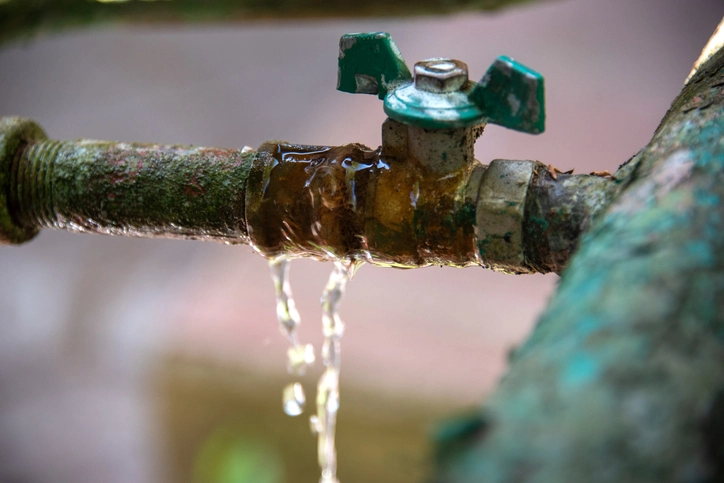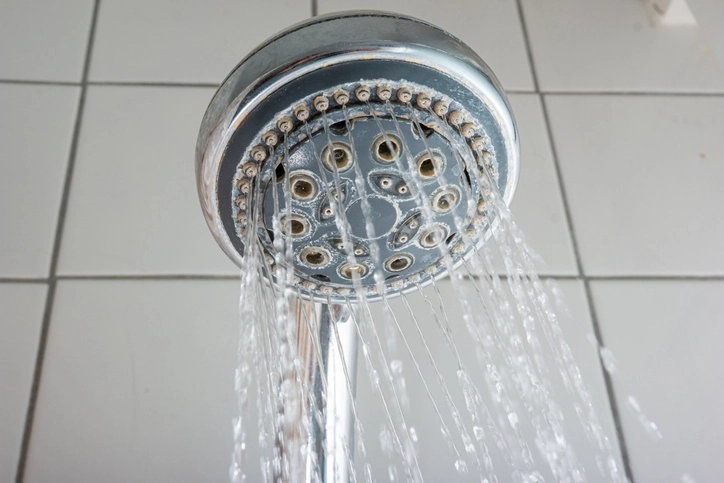
Did you know 1 in 3 Australians has experienced water damage, and most of it comes from hidden leaks? (Source: Finder.com.au)
It may sound surprising, but even a minor leak behind a wall or under the floor can result in thousands of dollars in damage if left unchecked. In Melbourne, where seasonal rainfall and ageing infrastructure are common, staying alert to water leaks is more important than ever.
Leak detection isn’t just about spotting visible water. It’s a process that involves identifying hidden issues that could affect the structural integrity, air quality, and safety of your property. Whether it’s a dripping tap, a leaking pipe, or moisture seeping into your walls, professional leak detection helps catch problems early before they turn into major disasters.
In this blog, you’ll learn 10 of the most effective techniques used by homeowners and water restoration professionals to detect water leaks in Melbourne properties. From common signs to advanced tools and tips, this guide will help you take proactive steps to protect your home or business.
1. Monitor Your Water Bill

One of the simplest yet most overlooked signs of a water leak is an unexplained spike in your water bill. If your usage hasn’t changed but your charges have increased, you may be dealing with a hidden leak somewhere on your property. This could be a slow leak behind a wall, under the floor, or even outside.
- Compare your current bill with the last few months.
- Sudden spikes can indicate hidden leaks.
- Check usage during periods when no water is being used.
Pro Tip: Turn off all water sources and check your meter; if it’s still ticking, there’s likely a leak.
2. Look for Damp Spots or Discoloration
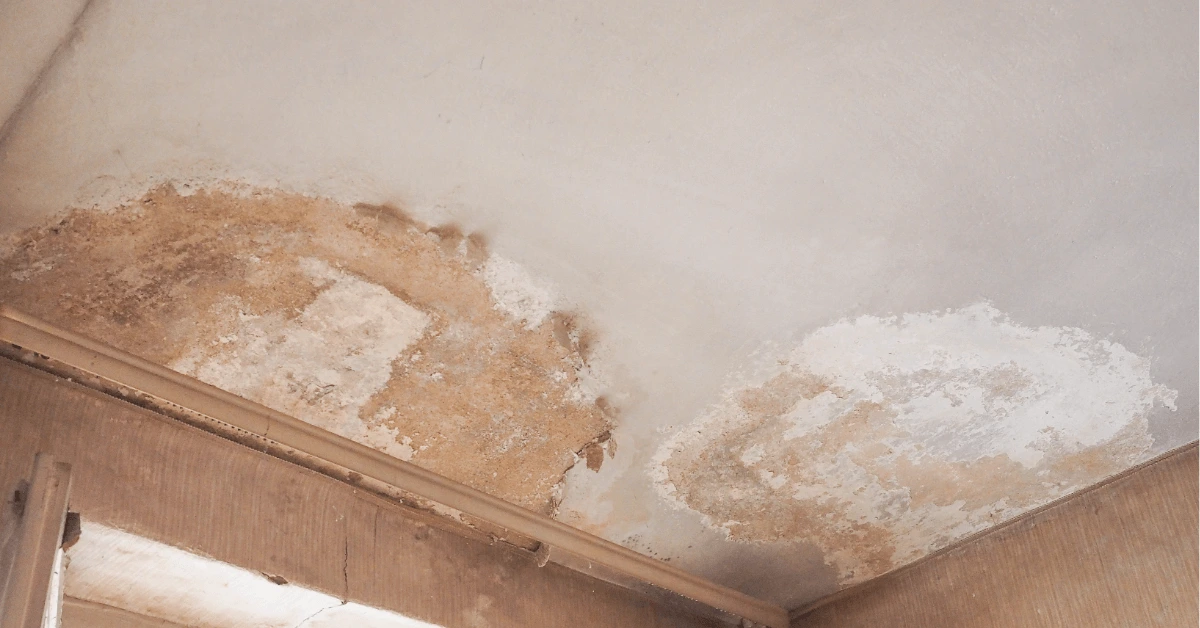
Water leaks often leave behind physical clues. Damp patches, water stains, and discoloration on walls, ceilings, or floors can indicate a slow or ongoing leak. Over time, moisture can degrade paint, plaster, and wood, creating visible damage and encouraging mould growth.
Signs of a plumbing leak may include:
- Water stains on ceilings, walls, or floors
- Bubbling or peeling paint
- Warped or buckled flooring
Pro Tip: Use a flashlight to inspect less visible areas like behind furniture or inside closets.
3. Check Water Pressure Drops
A noticeable drop in water pressure can signal a leak in your plumbing system. When water escapes through cracks or holes in pipes, it reduces the pressure reaching your taps and fixtures. This might show up as weak water flow or unusual sounds when water is running.
Watch for:
- Consistent low pressure across fixtures
- Hissing or whistling sounds
- Slow-filling appliances or toilets
Pro Tip: Use a pressure gauge to track pressure over a few days and compare it to standard household levels.
4. Use Thermal Imaging Cameras
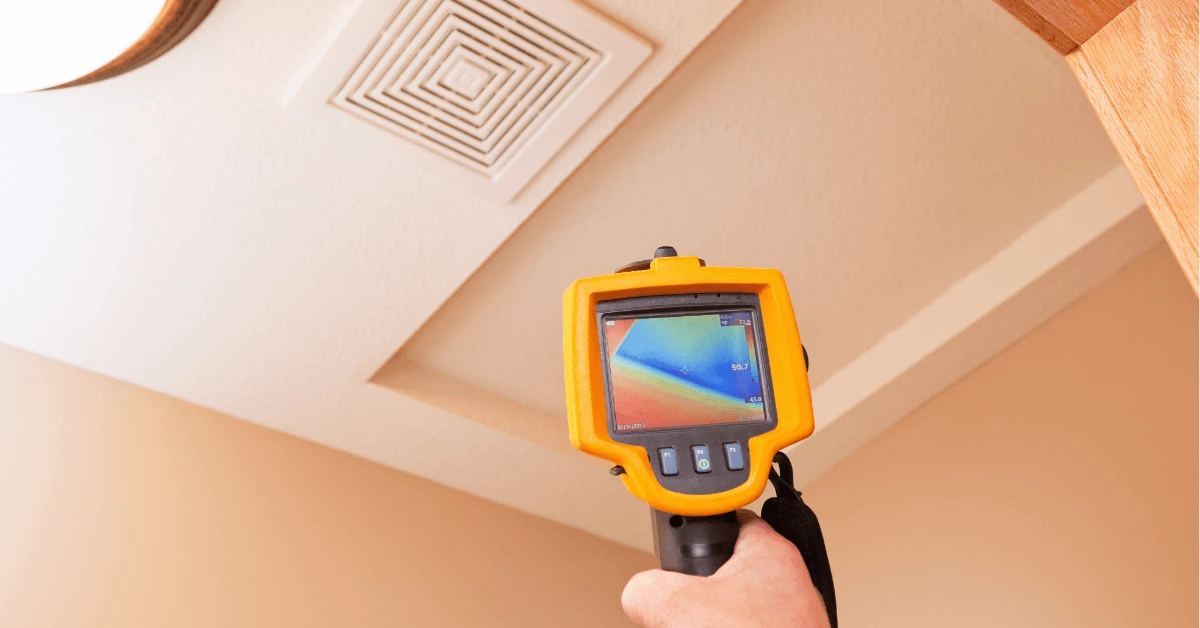
Thermal imaging is a high-tech, non-invasive method for locating hidden leaks behind walls, floors, and ceilings. These cameras detect temperature variations, helping professionals spot moisture accumulation without damaging your home’s structure.
Benefits of this leak detection technique:
- Detects temperature differences behind walls
- Pinpoints moisture without demolition
- Fast, non-invasive detection
Pro Tip: Hire a certified technician who uses thermal imaging for accurate results, especially in older Melbourne homes.
5. Conduct a Dye Test
Toilets can leak silently, wasting large amounts of water. A dye test is an easy, inexpensive way to check for leaks in your toilet tank. This method helps detect leaks that aren’t audible or visible but still inflate your water bill.
Steps:
- Add a few drops of food coloring to the toilet tank.
- Wait 15–20 minutes without flushing.
- If color appears in the bowl, there’s a leak
Pro Tip: Use leak detection tablets from a hardware store for more precise results.
6. Inspect Outdoor Areas
Outdoor leaks can go unnoticed for long periods, especially in gardens and driveways. Broken irrigation systems, leaking underground pipes, or damaged external fixtures often cause soggy patches, cracks, and excessive plant growth in isolated areas.
Look out for:
- Soggy patches or muddy soil
- Unusual plant growth in one spot
- Cracks in concrete or pavers
Pro Tip: Early morning checks help spot damp soil before the sun dries it up.
7. Listen for Unusual Sounds
Leaks can sometimes be heard before they are seen. At night, when everything is quiet, try listening for the sound of dripping, hissing, or rushing water. These sounds can help you identify a hidden issue behind walls or under floors.
Be alert to:
- Hissing, dripping, or rushing water sounds
- Sounds in walls or under floors
- Especially noticeable at night
Pro Tip: Turn off all appliances and listen carefully; silence helps amplify hidden leak sounds.
8. Check Appliances and Fixtures
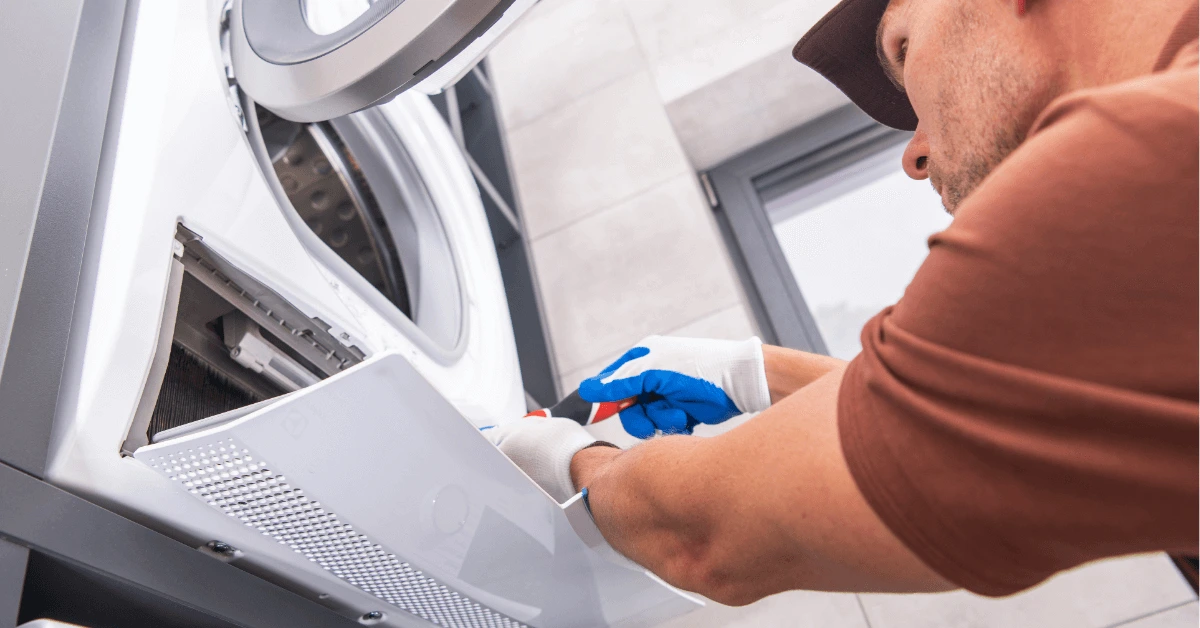
Household appliances are common sources of water leaks, especially when fittings, seals, or hoses wear out over time. Regular inspections can help prevent unexpected flooding from dishwashers, washing machines, and water heaters.
Look for:
- Pooling water or rust behind appliances
- Worn-out hoses and seals
- Corroded pipe connections
Pro Tip: Replace rubber hoses with braided stainless steel for better durability.
9. Conduct Moisture Meter Tests
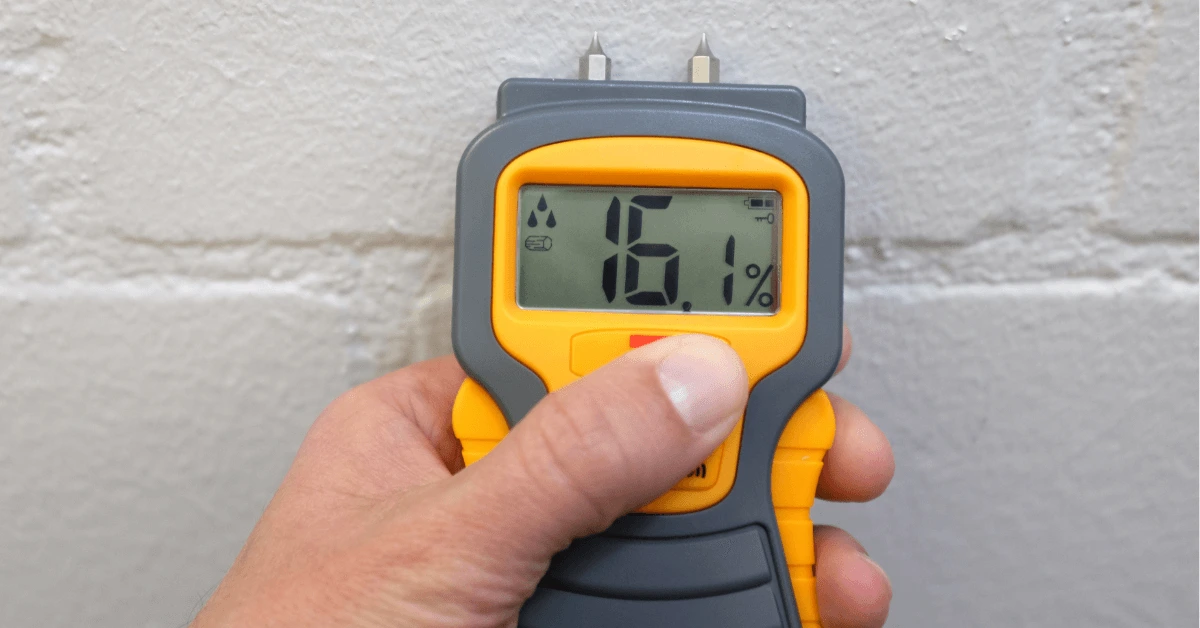
Moisture meters detect the presence of water in walls, ceilings, and flooring. They are ideal for confirming areas affected by leaks, especially after heavy rain or suspected flooding. These tools are easy to use and widely available.
Why use them:
- Measures moisture in walls, floors, and ceilings
- Ideal for post-flood assessments
- Helps with mould assessment and prevention
Pro Tip: Some restoration professionals offer moisture mapping to create a full moisture report of your home.
10. Hire a Leak Detection Specialist
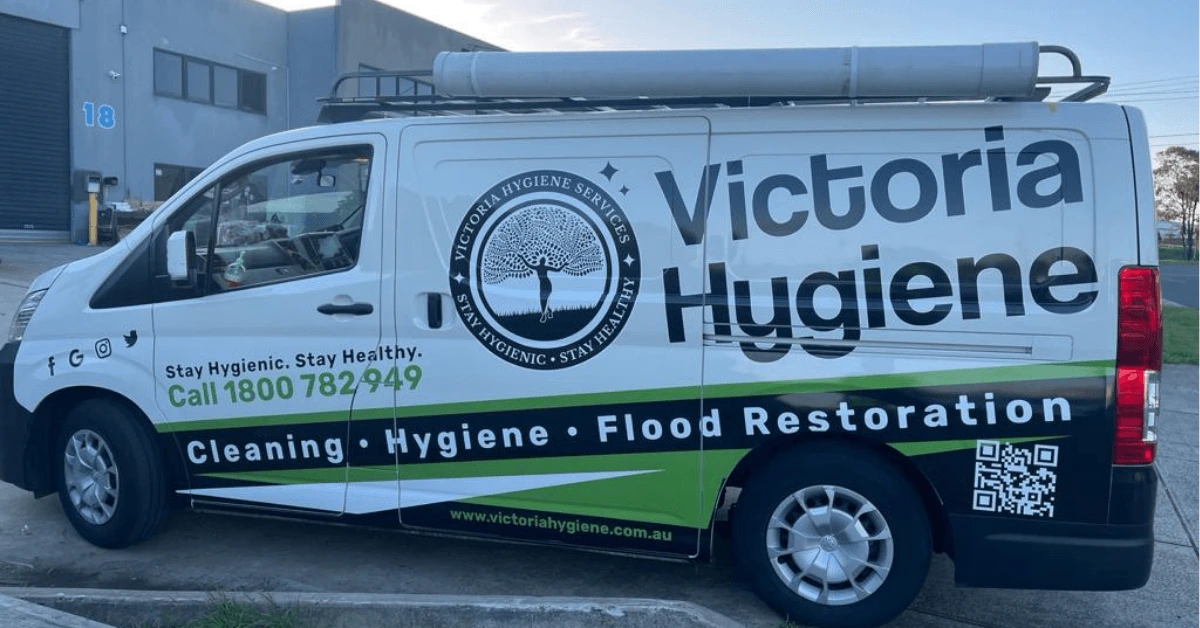
When DIY methods fail or when leaks are hidden deep within your plumbing system, calling a professional is your best option. Certified specialists use advanced tools like thermal imaging, acoustic sensors, and moisture meters to find the exact source without unnecessary damage.
Advantages:
- Accurate identification without demolition
- Saves time, money, and stress
- Ideal for complex or recurring leaks
Pro Tip: In Melbourne, choose IICRC-certified technicians who offer 24/7 emergency leak detection and water damage restoration services.
Why Early Leak Detection Matters
Water damage doesn’t happen overnight, but the longer you wait, the worse it gets. Early detection protects your home’s structure, reduces health risks, and prevents expensive repairs down the track. Especially in Melbourne’s wet season, proactive maintenance is key.
- Prevent costly structural repairs
- Avoid mould growth and health hazards
- Preserve your home’s value
Pro Tip: Schedule annual leak checks, especially before and after Melbourne’s rainy season.
Related Articles You Might Find Useful
- The Importance of Early Shower Leak Detection – Learn how small bathroom leaks can lead to big problems.
- How Much Does a Water Leak Cost? – Understand the financial impact and repair costs of various types of leaks in your home.
Final Thoughts
Water leaks are silent threats, but with the right techniques, they don’t have to cause lasting damage. Whether you’re a homeowner or property manager in Melbourne, these plumbing leak detection tips offer a smart way to catch leaks early, reduce risks, and protect your space. From using a simple dye test to hiring a thermal imaging specialist, every tip in this guide is designed to help you act before the damage begins.
Don’t wait for a soaked carpet or peeling paint to sound the alarm; start your leak detection routine today. And remember, if you suspect deeper issues, reach out to a water damage restoration expert for a full inspection and mould assessment.