
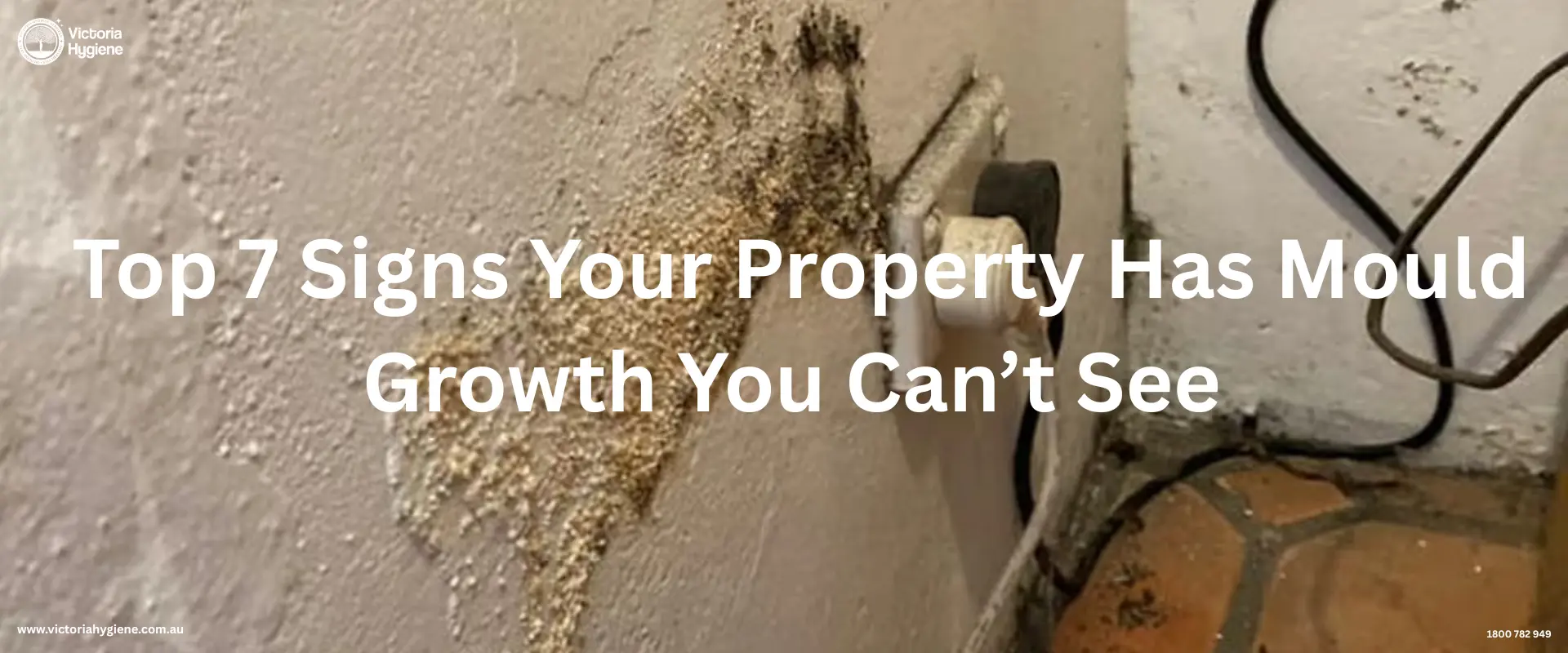
The growth of the mould in a property can be silent but a serious threat. Usually, we can’t see the hidden mould signs in many areas. Because it hides under the carpets, behind the walls, inside the ceilings, or in other places we cannot see. Invisible mould causes serious property damage and can also deteriorate our health if left unchecked. The problem is that not all mould is visible, but certain signs of it can give a warning to the house owner of its presence. In this blog, we will discuss the top seven signs that demonstrate that your property may have unseen mould growth.
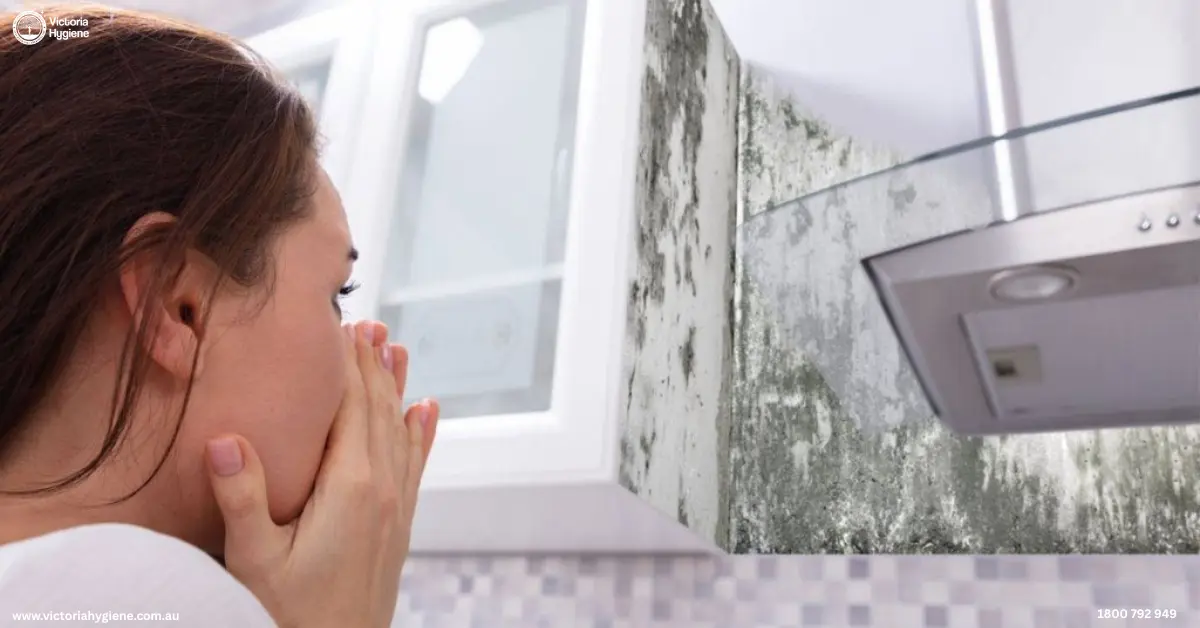
The first and most common sign of invisible Hidden Mould Signs are continuous musty or damp smell. The hidden mould usually releases the compounds named microbial volatile organic compounds (MVOC) that create a distinctive odour. Although your property seems clean and clear, a different kind of smell in certain rooms can appear, like in the bathroom, kitchen or basement, which can tell you that mould is behind the walls, within the ceiling or under the carpet. If u notice a persistent mouldy odour with no clear source, it means that the hidden mould growth is present.
Even the invisible mould can affect your health if it is not visible. If you or your family members experience any type of sneezing, coughing, itchy eyes, skin irritation, or respiratory issues inside the house or building, then these are the allergic symptoms of hidden mould. People who already have asthma or other respiratory issues can notice the more chronic symptoms, which include shortness of breath or congestion. When you leave the property, these symptoms usually improve, leading to indoor mould exposure.
The growth of mould increases mainly due to Water Damage. It comes with spots, Discolouration, wet patches on the walls, ceilings or the surface of the floor. Their favourite place to stay is around plumbing, windows, under the sinks or roofs. Water damage comes with darker patches like brownish or yellowish colour. Continuous leaks and water accumulation create the perfect surroundings for mould to grow invisibly. If you act quickly, then you can prevent further mould growth in your property.
The ideal condition for the Hidden Mould Signs to grow is excessive condensation inside the home. The warm indoor air meets the cold surface, like walls or windows creates condensation, and the moisture present in that creates the mould growth. This affects mainly the kitchen, the bathroom, the basement and the other poorly ventilated areas of the house. Damp spots or repeated condensation mainly invite the mould growth behind the surfaces. You can use the dehumidifiers and improve the ventilation, which can reduce the risk of mould growth.
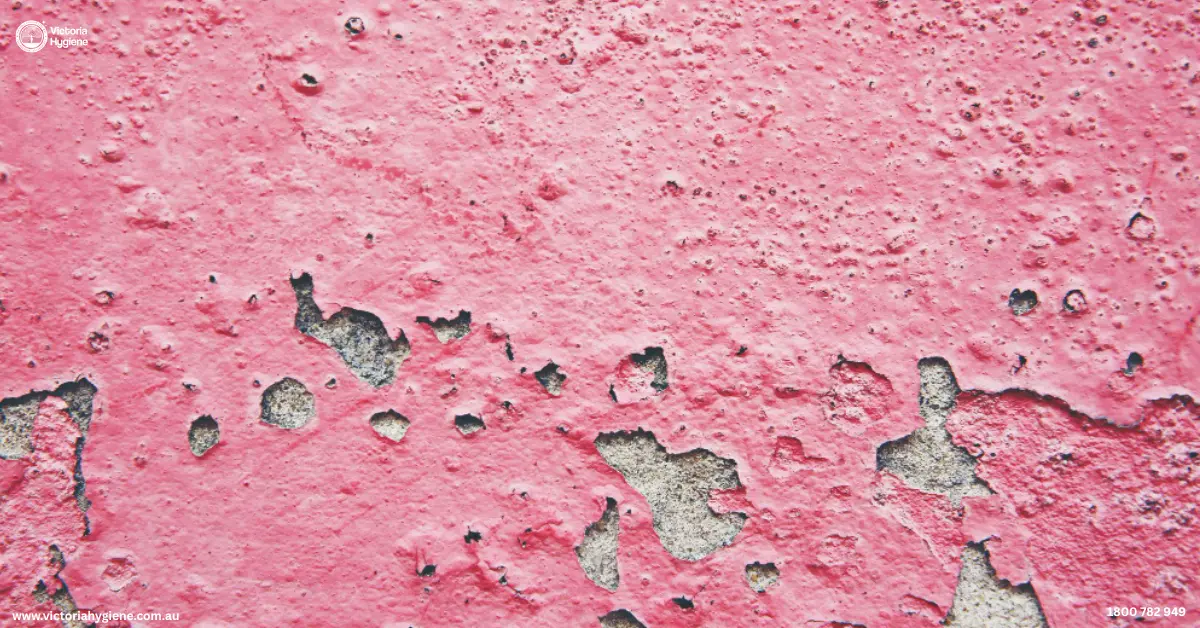
The hidden mould growth also appears from the paint or wallpaper that peels, bubbles or wraps. The trapped moisture under the wallpaper or behind the walls causes mould development and deteriorates the surface with time. While the old paint can peel naturally, continuous bubbling can lead to moisture, such as in kitchens, bathrooms or near the windows, suggesting that the hidden mould is present. A professional technician can tell you that weather mould is the cause and recommend the right remediation process.
The mould’s texture can be spongy, soft, and white in colour, and it can be hidden under the wooden structures, including wooden frames, cabinets, flooring or furniture. Mould consumes organic material like wood, and the moisture retained inside can damage the framework. If you see the cracks from wrapping, a change of the wood‘s colour, especially in bathrooms, basements or near the water sources, then these are strong indicators of mould.
Detecting these kinds of signs can save your property, costly repairs and health from mould.

Humans and pets are usually the first indicators of the hidden mould. If your pet also faces sneezing, coughing or respiratory distress, or if humans experience headaches, fatigue or unexplained respiratory issues while inside your home, then it means invisible mould could be the culprit. If your symptoms vanished when you left the property, then there is are high chance of mould in your property.
Many occupants facing these similar issues is a red flag that professional mould inspection and remediation may be required.
Hidden mould is not just unattractive or gives a musty odour, but it can seriously impact the health of your body and your property. Continuous exposure to hidden mould bacteria can respiratory cause issues, headaches, fatigue, worsening asthma and allergic reactions. Mould growth can also damage your property, like walls, flooring, ceilings, wood and insulation. If you can detect the hidden mould early with immediate action, then it can save you money and protect your health and home.
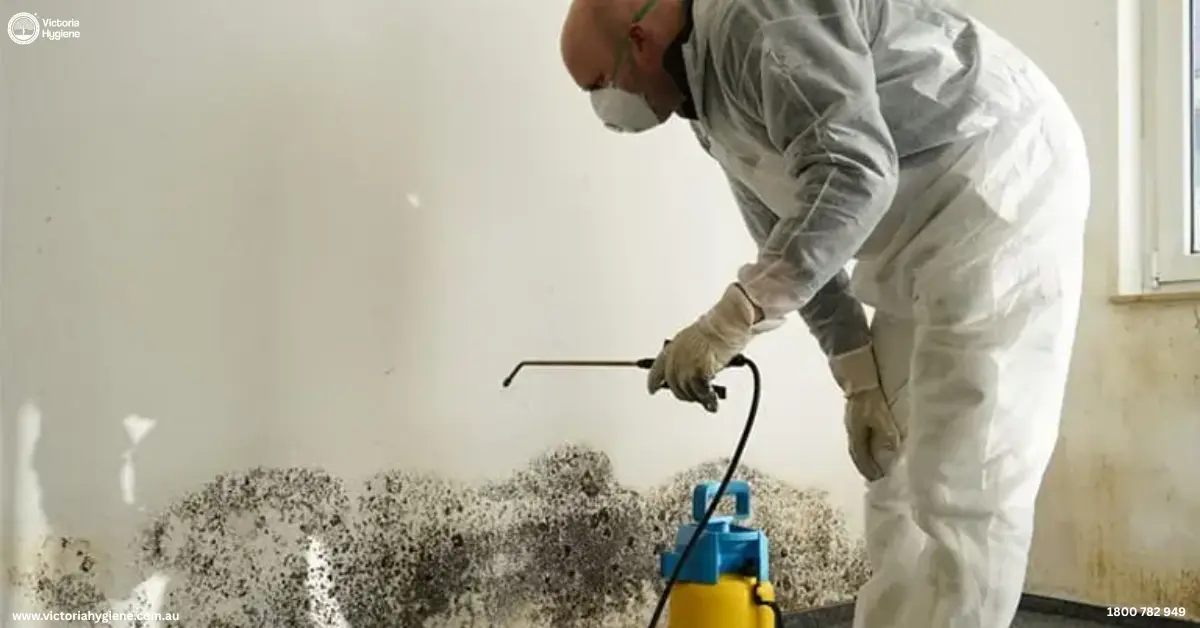
If you notice any of the seven given signs, then take quick action. Here is the practical approach:
Prevention is far better than remediation. House owners should maintain proper and easy ventilation, inspect the plumbing regularly, fix the leaky pipes and use dehumidifiers in wet areas. Keep your property dry and well-maintained to lessen the risk of hidden mould. Go for he routine inspections and detections. These are the key to preventing invisible mould from causing health issues pr property damage.
Hidden mould can harm your property and health silently. Bad smells, unexplained allergy symptoms, water damage, peeling and bubbling paint or wallpaper, warped wood, condensation and unexplained respiratory issues are all the warning signs of invisible mould growth. Early detection, like addressing the moisture issue and professional inspection, can protect the property and well-being.