Advanced Sterilisation
Professional Dry Fog Disinfection in Melbourne
Our certified mould experts provide safe, effective mould removal services along with long-lasting prevention solutions to safeguard your property.
Get a Quote!
Trusted & Reliable - AVAILABLE 24x7
Melbourne’s Trusted Dry Fog Disinfection Experts
Are you struggling with persistent mould odours or worried about hidden microbial contamination in your property? Victoria Hygiene’s dry fog disinfection service offers a fast, effective, and residue-free solution to eliminate airborne and surface mould spores from your environment.
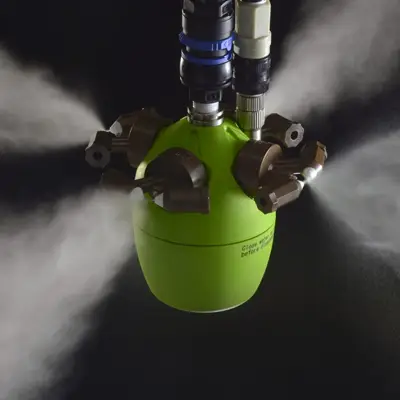
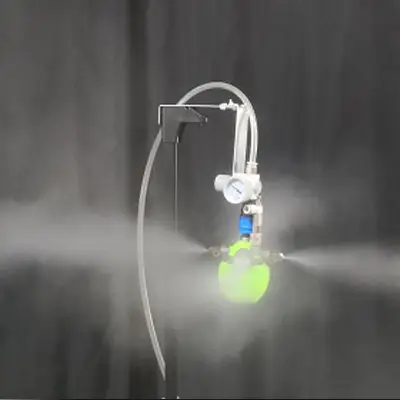
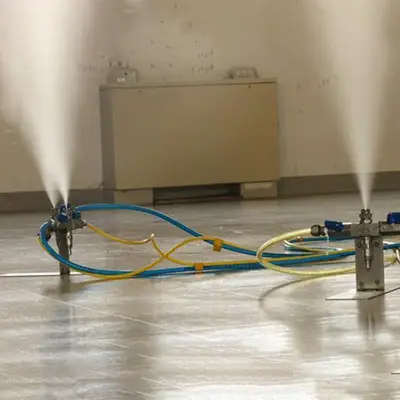
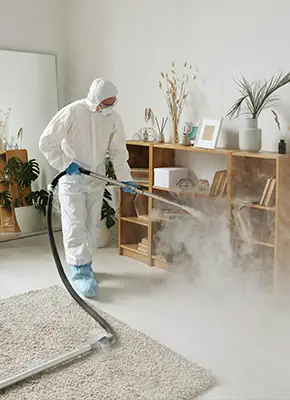
Using EPA-approved antimicrobial agents, our dry fog technology creates ultra-fine particles that reach inaccessible areas like wall cavities, ceiling voids, and HVAC ducts—without the need for dismantling or invasive cleaning.
With over 18 years of experience in mould remediation, our certified technicians provide rapid-response disinfection services across homes, offices, healthcare centres, and commercial sites in Melbourne. Safe for sensitive areas, electronics, and furniture, dry fogging is ideal for both active mould cases and post-removal sterilisation to prevent regrowth.

WHY CHOOSE VICTORIA HYGIENE
Protecting Your Property When It Matters the Most
IICRC-Certified Experts
A professionally trained & certified team of technicians in Melbourne.
Next-Gen Technology
Modern equipment for faster drying and damage recovery.
18+ Years of Excellence
Trusted industry experts in water and flood restoration.
Rapid Response
On-site within 45 minutes to prevent further loss.
Eco-Friendly Solutions
Safe, non-toxic cleaning and restoration methods.
Fully Insured
Protecting your property with public liability insurance.
Dedicated Project Manager
A single point of contact for end-to-end support.
Seamless Restoration
Restoring your property as close as possible to its original condition.
OUR DISINFECTION PROCESS
How Dry Fog Disinfection Process Works
These are the steps we follow to eliminate contamination:
Step 1
Pre-Treatment Site Inspection
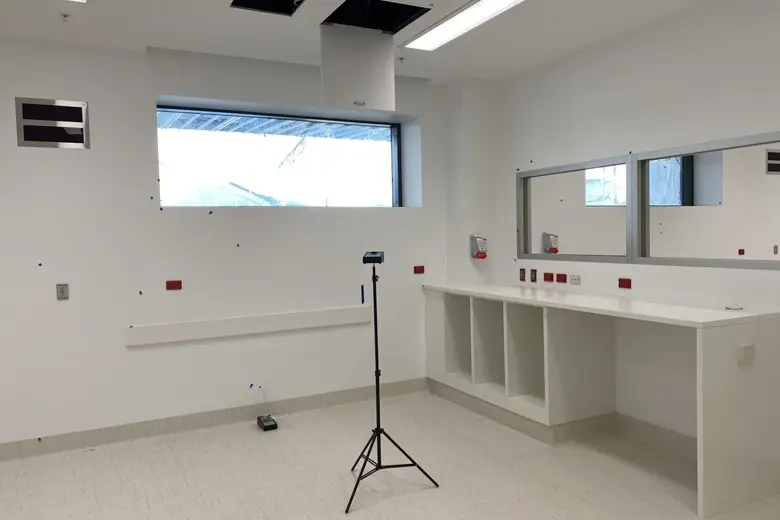
Our team inspects the affected areas to determine the extent of microbial presence and confirms if the space is suitable for dry fogging. We check for active leaks, moisture levels, and ventilation requirements to ensure optimal treatment results.
Step 2
Containment & Preparation
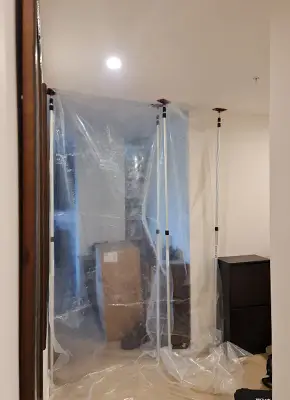
Sensitive equipment, electronics, and furniture are assessed and protected. Ventilation systems may be isolated, and access to treated rooms is restricted. We brief occupants on safety precautions and re-entry timelines.
Step 3
Dry Fog Application
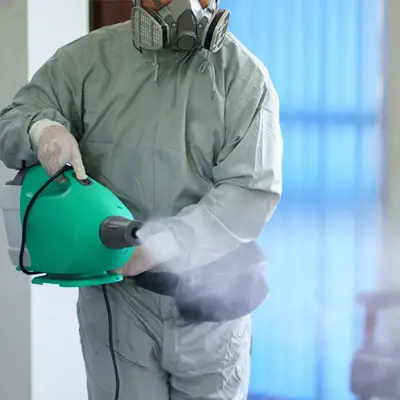
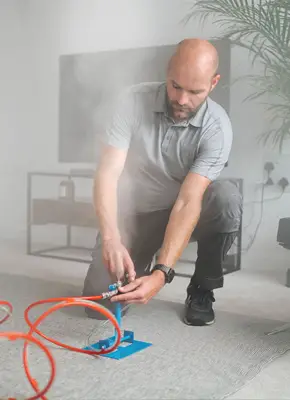
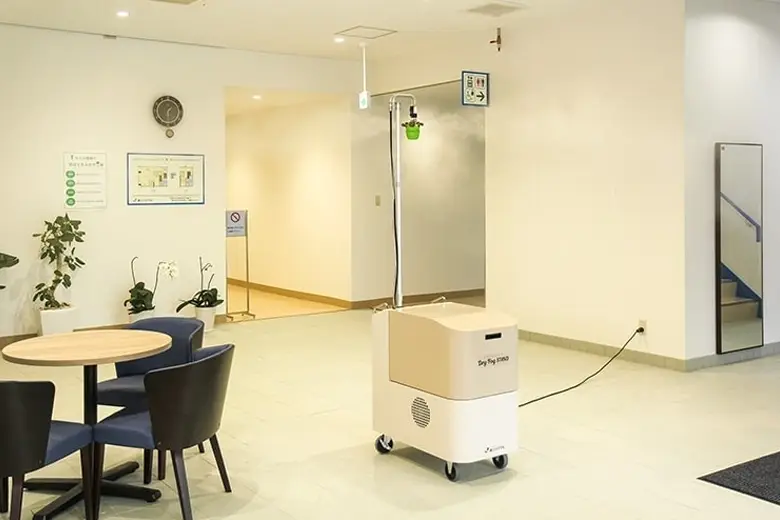
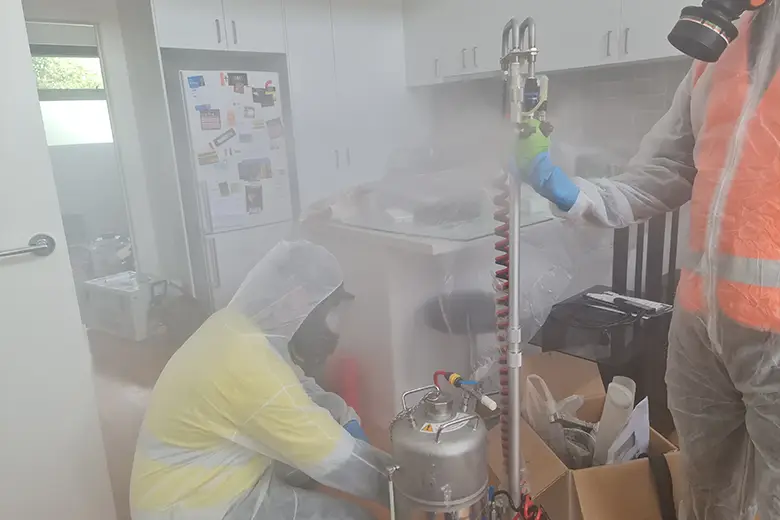
Our technicians deploy fogging machines that emit a disinfectant mist with particle sizes under 10 microns. This mist fills the space evenly, penetrating hard-to-reach areas such as behind walls, under floors, inside ducts, and within porous surfaces to eliminate airborne and surface spores.
Step 4
Dwell Time & Neutralisation
The area remains sealed for the prescribed dwell time, allowing the fog to fully neutralise mould spores, bacteria, and odours. This ensures maximum efficacy without wetting or damaging treated surfaces.
Step 5
Post-Treatment Inspection & Recommendations
After fogging, we inspect the property to confirm successful disinfection. Occupants receive a detailed treatment summary and recommendations for long-term moisture control and preventative anti-mould strategies.
Once disinfection is complete, your indoor environment will be significantly cleaner, healthier, and mould-free. Dry fogging is a vital step in long-term mould prevention and is often combined with other remediation services. Our team is here to answer your questions and provide continued support in maintaining a safe and hygienic property.
QUICK TIPS
Prepare for & Maximise Dry Fogging Results
Dry fogging is most effective when combined with proper preparation and ongoing moisture control. To make the most of your disinfection treatment and prevent future mould issues, consider these practical steps:
- Pre-Treatment Cleaning: Remove dust, debris, and surface clutter from affected rooms. Clean surfaces lightly to ensure maximum contact between disinfectant and microbial sources during fogging.
- Fix Moisture Sources: Before fogging, fix any water leaks, seal gaps, and dry damp materials. Fogging won’t be effective if mould-friendly conditions return shortly after treatment.
- Ventilate After Treatment: After the designated re-entry period, open windows and run exhaust fans to ventilate treated areas. This helps remove any lingering fog residue and refreshes indoor air.
- Monitor Humidity Levels: Use a hygrometer to keep indoor humidity below 50%. Consider using dehumidifiers in high-risk areas such as bathrooms, basements, and laundry rooms.
Connect With Us
Do you have an emergency?
We serve Melbourne CBD, Richmond, Brighton, Ringwood, Hampton, Doncaster, St Kilda, Collingwood, South Melbourne, West Melbourne, North Melbourne and all Victorian suburbs.
Frequently Asked Questions
Common Dry Fog Disinfection Questions Answered
Is dry fogging safe for my home and electronics?
How long does the property need to be vacated during fogging?
You’ll typically need to vacate for 2–4 hours, depending on the property size and ventilation. Our team will guide you.
Does dry fogging remove visible mould?
Can dry fogging prevent mould from coming back?
Yes, when combined with moisture control and anti-mould treatments, it greatly reduces the chance of regrowth.
Is it suitable for people with asthma or allergies?
Absolutely. Dry fogging eliminates allergens and improves air quality, but occupants should return after proper ventilation.
Do I need to prepare anything before treatment?
Yes. Clear out clutter, cover food and sensitive items, and follow the technician’s pre-treatment checklist for best results.