
Flooding is Australia’s most costly natural hazard, with average annual damages estimated at AU$8.8 billion (Source: CSIRO).
If you are living in Australia, you must be aware of floods and their impact. Storms and flooding are very common issues in Victoria due to rapid changes in climate and weather patterns. Flood situations happen because of overflow of water onto the dry land, and that can be caused by natural or human-influenced factors such as heavy rainfall, tropical storms, cyclones, overflowing rivers/dams, climate change, urbanisation, or flash floods. But whatever the reason, it affects everyone if precautions are not considered or immediate action is not taken.
Flooding not only impacts the natural environment, such as landslides, erosion, etc., but it also affects the social, economic, and built environment, which costs every family or business.
Flooding is mostly a natural occurrence. Though no one can prevent it entirely, some advanced business flood-proofing preparations can help reduce its impact. As flooding is very common in Melbourne, if you are running or managing a business, you should think ahead and prepare a well-planned flood prevention strategy. This helps reduce physical damage to the business, immediate risk impacts, as well as interruptions in business operations.
How Flooding Affects Commercial Properties?
! Important Tip: Conduct a property vulnerability audit.
Like residential properties, commercial properties also face challenges, often even more severe, such as property damage, health risks due to mould, delays in operations, etc. There are other major impacts of flooding on commercial properties:
- Structural damages
- Mould & contamination issues
- Inventory & equipment loss
- Electrical & mechanical system failures
- Business operation disruption
- Low employee/staff productivity
- Data loss or damage to critical records
- Negative impact on brand reputation
- Workplace post-flood safety hazards
- Costly insurance claims & financial burden
If you want to protect your commercial property from floods or water damage, here are some essential commercial flood protection actions to consider in 2025.
Business Flood Prevention Tips:
! Important Tip: Create a digital flood response checklist
No one can stop natural disasters, but yes, we can take some precautions to lower their impacts by following the below business flood-proofing tips.
#Tip 1: Design Flood Flood-Resistant Building
If you are planning to construct or design a new space or building for your business, there is no better time to focus on your flood prevention strategies. Designing a flood-resistant layout is not easy on your own, so it is always recommended to seek help from a local professional architect or engineer who understands the area’s conditions and can provide effective solutions against floods and related disasters
#Tip 2: Upgrade Drainage System
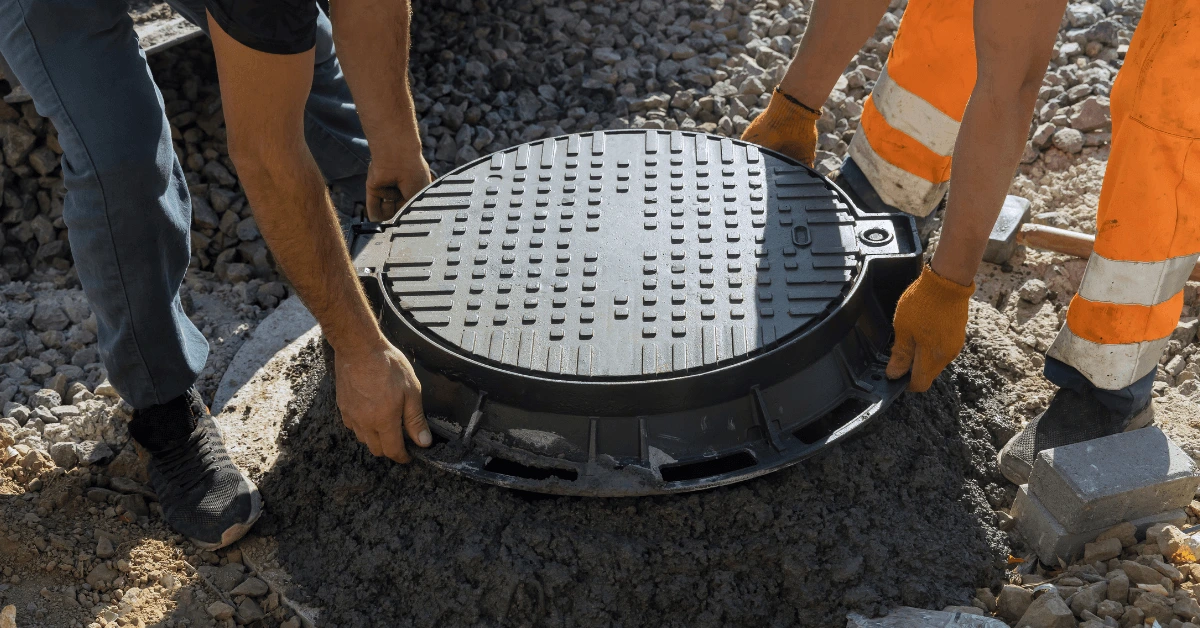
Did you know? Poorly managed or outdated water drainage is a major cause of interior flooding. If you have not paid attention to it before, now is the time to act, especially when planning your commercial flood protection in 2025.
To prevent future damage, focus on cleaning all types of drainage systems, including gutters and downpipes. Any blockage in these can cause water to back up into the building and accumulate in one place. This can lead to emergency flood situations, leaks, and further structural or property damage.
#Tip 3: Keep a Flood Emergency Kit Ready

In any emergency, it is crucial to have a well-prepared kit with essential items to help manage risks. Make sure to store it in a safe and easily accessible location so it can be quickly accessible during a flood emergency.
This kit should be designed according to the company’s industry type and the size of the business. Some important items you can pack include a flashlight, medicines, a first aid kit, copies of insurance documents, plastic sheets, loudspeakers, rope, and other essentials.
#Tip 4: Install Flood Barriers and Seals
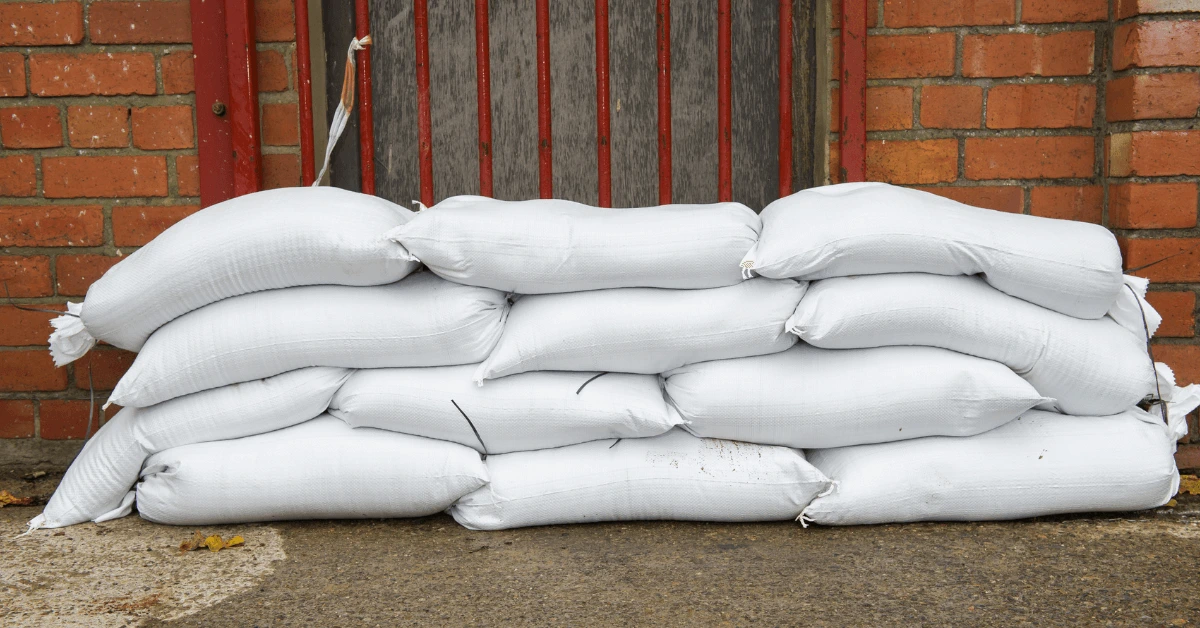
It is always advisable for businesses to install flood barriers and seals at entry points to safeguard property and operations during an emergency. Use sandbags, flood gates, or inflatable barriers to protect important areas. Apply waterproof sealant to basement walls and foundations. These protective tools serve as a defense against rising water levels, preventing floodwater from entering through doors, windows, loading docks, and other main access points.
#Tip 5: Invest in Flood Detection Technology
Isn’t it useful if you get water or flood updates right at the initial stage? Early signs or warnings help you stay alert and give you and your team valuable time to take necessary actions to protect your business property from major water damage.
In 2025, this is one of the top commercial flood protection tips. With so many smart flood detection technologies available, investing in them early can offer many benefits when emergencies strike. These systems include water sensors, leak detectors and connected alert platforms that provide real-time notifications as water levels begin to rise.
The best part? You can easily integrate these systems with your mobile devices to receive instant alerts so you’re always one step ahead.
#Tip 6: Conduct Regular Flood Risk Assessments

If you know, you can be safe and so can your people. Conducting regular flood risk assessments helps you stay aware of potential threats and take preventive measures around your business premises. By identifying weak points such as low-lying areas, outdated drainage systems, or potential water entry points, you can take timely action to protect both your business and your people. These assessments should be conducted periodically, especially before high-risk seasons, to ensure your safety measures remain effective and up to date.
Some other commercial flood protection tips in 2025:
- Train your employees for flood emergency situations. Teach them what to prioritise first, run flood drills, and ensure all staff are familiar with emergency exit routes, shut-off valves, and communication protocols.
- Install backflow flood prevention devices in commercial buildings to stop sewer water from backing up into the premises.
- Maintain an offsite backup (secondary) location to store important office inventory, critical records, and equipment in case of an emergency.
- Make a clean plan and train employees on the order of actions to take, what to check first, where to store important items, who to contact initially, and other key steps.
- Register for local flood alert systems and partner with first responders and city water/flood emergency service providers.
! Important Tip: Make sure your business insurance covers flood damage.
Conclusion
Flooding is the most expensive natural disaster in Australia, costing around AU$8.8 billion each year. It can seriously damage commercial properties and stop business operations. But the good news is that there are ways to prepare and reduce the risk. From understanding how floods affect businesses to using the tips we shared for 2025, taking early action can protect your building, your team, and your business. Don’t wait for the water to rise; get ready now and stay safe.