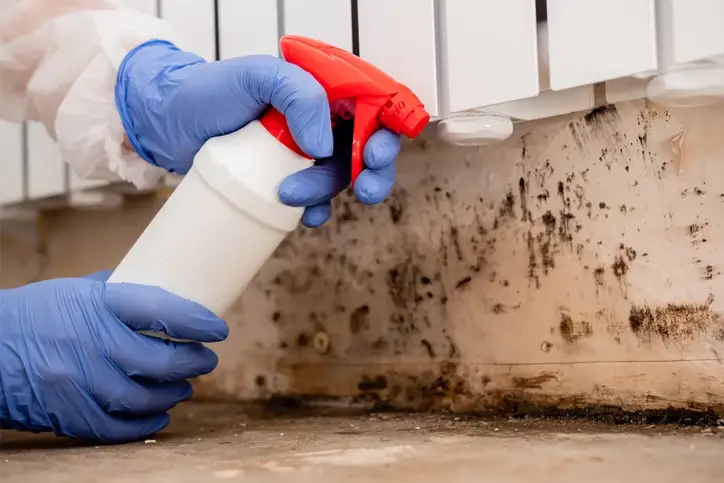
Mold might seem like a small problem, but it can quickly grow into a serious issue, both for your home and your health. Whether you’ve spotted mysterious spots on the ceiling or noticed a musty smell in the basement, questions start piling up fast. What causes mold? Is it dangerous? How do you get rid of it for good? In this blog, we’re talking about the most common (and uncommon) questions about mold i.e. mold FAQs so you can stop guessing and start taking action with confidence.
These mold FAQs will help you to clear your doubts.
Q1. Can damp and mold affect my health?

Long-term exposure to mold removal problems and moisture can indeed be detrimental to one’s health. These spores release mycotoxins, potentially exacerbating asthma and other underlying medical conditions, triggering allergies, and causing respiratory problems. Individuals with compromised immune systems, such as the elderly and those with chronic illnesses, are particularly vulnerable.
It is crucial to address moisture and mold promptly to mitigate health risks. The particles released into the air by mold have the potential to induce various respiratory and systemic issues upon inhalation.
Breathing Issues: A Common Aftereffect
- Respiratory problems, including symptoms like coughing, wheezing, and shortness of breath, are frequently associated with dampness and mold exposure. These conditions can worsen, particularly in individuals with asthma, making effective management more challenging.
Reactions to Mold Spores Are Allergic
- Sneezing, itchy eyes, skin rashes, and runny or stuffy noses are common symptoms of severe allergies to mold spores. This section delves into the allergic reactions caused by moisture and mold exposure
Impairment of Damaged Immune Systems
- Individuals with compromised immune systems, including the elderly and those with chronic illnesses, are particularly susceptible. This vulnerable population is at risk of severe respiratory distress and systemic health problems due to it’s exposure.
Airborne Threat: Immediate Action Is Required
- The airborne particles released by mold pose a significant health risk when inhaled. Emphasising the importance of addressing mold and moisture promptly to reduce the risk of inhaling these particles is crucial.
Mitigation Strategies: Creating a Healthier Indoor Environment
- Ensuring a safe living environment requires implementing strategies to stop the source of moisture, improving ventilation, and thoroughly cleaning and removing mold. The practical actions listed in this section can help readers lower health risks associated with moisture and mold.
Q2. Is sleeping in a room with mold bad for you?

Sleeping in a room that has mold can be harmful to your health. People may inhale mold spores while sleeping, leading to allergic reactions, respiratory distress, and potential long-term health issues. It can exacerbate allergies and asthma, making those with existing conditions more vulnerable. Since the bedroom is a space where people spend a significant amount of time, maintaining its cleanliness is essential. Sleeping in a room with mold can have adverse effects on your health.
It releases spores into the air, and inhaling them can lead to various health issues, including respiratory distress, allergic reactions, and potential long-term complications. Individuals with allergies or asthma are particularly vulnerable, as it can worsen these conditions. Proper mold remediation measures, such as cleaning and eliminating sources of moisture, are crucial for maintaining good indoor air quality and minimising health risks associated with mold exposure, especially during sleep.
Q3. How long does it take to get sick from mold?
The duration of illness caused by mold exposure varies based on factors such as individual susceptibility, the type of mold, and the duration of exposure. Some people may exhibit symptoms immediately after exposure, while others may develop slow, chronic health issues. Anyone concerned about the potential health effects of mold should monitor symptoms and seek medical advice promptly.
Q4. Does vinegar kill mold?
Vinegar, with its acidic pH, serves as an effective mold inhibitor, especially on non-porous surfaces. The acetic acid in it breaks down the structure of mold, providing a natural alternative to chemical cleaners. Regular cleaning with it can also help prevent mold growth in susceptible areas. While it can be a useful mold inhibitor, it’s essential to recognise its limitations. Its effectiveness depends on the surface type and the severity of the mold infestation.
Vinegar may not eliminate deeply ingrained mould, and over time, its acidic properties may cause surface damage. In cases of severe or hard-to-reach mold contamination, professional advice is recommended for holistic mold removal and preventive measures. However, it can be included in regular maintenance, especially in milder cases.
Q5. Does bleach kill mold?
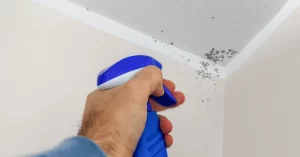
Bleach is a potent mold remover, particularly on hard, non-porous surfaces. It works by altering the mold’s proteins, inducing dormancy. However, caution is necessary when using bleach, as its fumes may irritate certain materials, and it may not be suitable for all surfaces.
Proper safety measures and adequate ventilation are crucial when using bleach for mold removal. While bleach effectively removes mould, especially from hard, non-porous surfaces, it’s important to consider potential risks. The fumes released during use can irritate certain materials more than others, and not every surface is bleach-compatible.
Caution is advised, and sufficient ventilation and safety precautions are essential to minimise health risks. In some cases, hiring professionals may be wise to ensure a thorough and safe removal process.
Q6. How to get mold out of clothes?
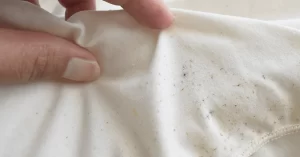
Effectively removing mold from clothing requires a well-planned approach. Clothes with mold can be cleaned by adding vinegar or baking soda to a hot water wash with detergent. Sun-drying the garments provides a secure and effective way to eliminate any remaining mold spores, ensuring a thorough cleaning process. A well-thought-out strategy is essential for effectively eliminating mold from clothing. The following steps outline the process:
1: Prepare the Washing Solution
- Fill the washing machine with hot water.
- Add one cup of baking soda to the hot water to inhibit mold growth.
- Add a small amount of regular laundry detergent.
2: Prepare the Washing Solution
- Fill the washing machine with mouldy clothes, allowing sufficient time for them to become fully immersed in the solution.
3: Initiate a Hot Water Washing Cycle
- After soaking, proceed with a regular hot water wash cycle to remove mold from the fabric.
4: Sun-dry the Clothes
- Sun-drying the fabric in bright sunlight helps disinfect and eliminate any remaining mold spores.
5: Check for Remaining Mould
- After drying, inspect the clothing for any remaining mold. Repeat the cleaning process if necessary.
6: Prevent the Growth of New Molds
- Ensure clothes are completely dry before storage to prevent future mold growth.
- Adequate ventilation in storage areas helps prevent mold development.
This natural cleaning approach, combined with the sun’s disinfecting rays, effectively removes mold from clothes and prevents its recurrence.
Q7. How to get rid of mold?
Effective mold removal requires a multi-step process. Crucial actions include using a mold-killing solution to clean affected areas, increasing ventilation to reduce humidity, promptly sealing leaks, and addressing the underlying source of moisture. Relentless attention to detail and routine maintenance are needed to prevent mold growth.
To ensure complete eradication and prevent mold growth, effective mold removal involves several steps:
- Use of Mold-Killing Solution: Utilise a mold-killing solution with antimicrobial agents to destroy and prevent mold
- Increase Ventilation: Improve ventilation to reduce humidity and create an inhospitable environment for mold.
- Quickly Seal Leaks: Identify and seal leaks promptly to eliminate a steady supply of moisture conducive to mold growth.
- Address the Underlying Source of Moisture: Understand and fix plumbing issues, roof problems, or drainage issues to eliminate the source of moisture.
- Continuous Concentrate on Detail: Thoroughly inspect and clean every surface affected by mold, even hidden or hard-to-reach areas.
- Frequent Maintenance: After mold removal, practice regular maintenance to monitor moisture levels, address leaks, and prevent dust accumulation.
Successful mold removal involves cleaning, dehumidification, sealing leaks, addressing moisture sources, meticulous attention to detail, and ongoing maintenance to prevent recurrence.
Q8. How to remove mold from fabric?
Carefully handling the removal of mold from fabric is essential. Cleaning fabric of mould can be achieved by adding baking soda and washing it in hot water with detergent. Pre-treatment methods, such as brushing off dried mold and sun-drying surfaces, enhance the overall efficacy of the cleaning process. To remove mold from fabric, follow these steps:
- Identification of Mold on Fabric: Determine if mold is present on the fabric, often visible as dark patches or spots.
- Gently Brushing: Gently brush off dried mold without harming the fabric’s fibres.
- Pre-treatment with Baking Soda or Vinegar: Apply it or baking soda directly to affected areas to pre-treat the fabric before washing.
- Washing in Hot Water: Wash the fabric in hot water with an appropriate amount of detergent to break down and remove mold.
- Sun-Drying: Sun-dry the fabric to utilise the natural disinfecting properties of sunlight.
- Preventive Measures: Address the underlying source of moisture to prevent future mold growth. Ensure the fabric is stored in a dry environment with proper ventilation.
- Repeat if Necessary: If mold reoccurs, consider repeating the cleaning process.
Remember to use protective gear, such as gloves, work in a well-ventilated area, and consider fabric type and the manufacturer’s cleaning instructions.
Q9. What is mold?
It is a type of fungus that thrives in damp, humid conditions, often found indoors. As it spreads through airborne spores, indoor environments frequently become hosts. Inhaling fungal spores can lead to allergies, respiratory issues, and other detrimental health consequences, posing a health risk.
Q10. How to get rid of black mold?
To effectively eliminate black mold, a comprehensive and systematic approach is necessary. Crucial steps include:
- Mold-Killing Solutions: Use mold-killing solutions like bleach to break down and remove mould from surfaces.
- Ventilation Improvement: Enhance ventilation to prevent moisture buildup, a key factor contributing to mold growth.
- Addressing Moisture Issues: Identify and address underlying moisture problems by fixing leaks, repairing water damage, or improving drainage.
- Maintaining a Dry Environment: After removing mold, maintain a consistently dry environment with measures like dehumidifiers and prompt leak fixes.
- Consistent Vigilant Maintenance: Regularly inspect for signs of moisture or mold, take prompt action, and maintain an environment inhospitable to mold.
By combining these steps systematically, individuals can effectively eliminate black mold and reduce the likelihood of recurrence. Mould removal should be approached as a continuous process, involving both immediate remediation and ongoing prevention measures.
Follow us on Instagram and Linkedin for more updates and tips.