
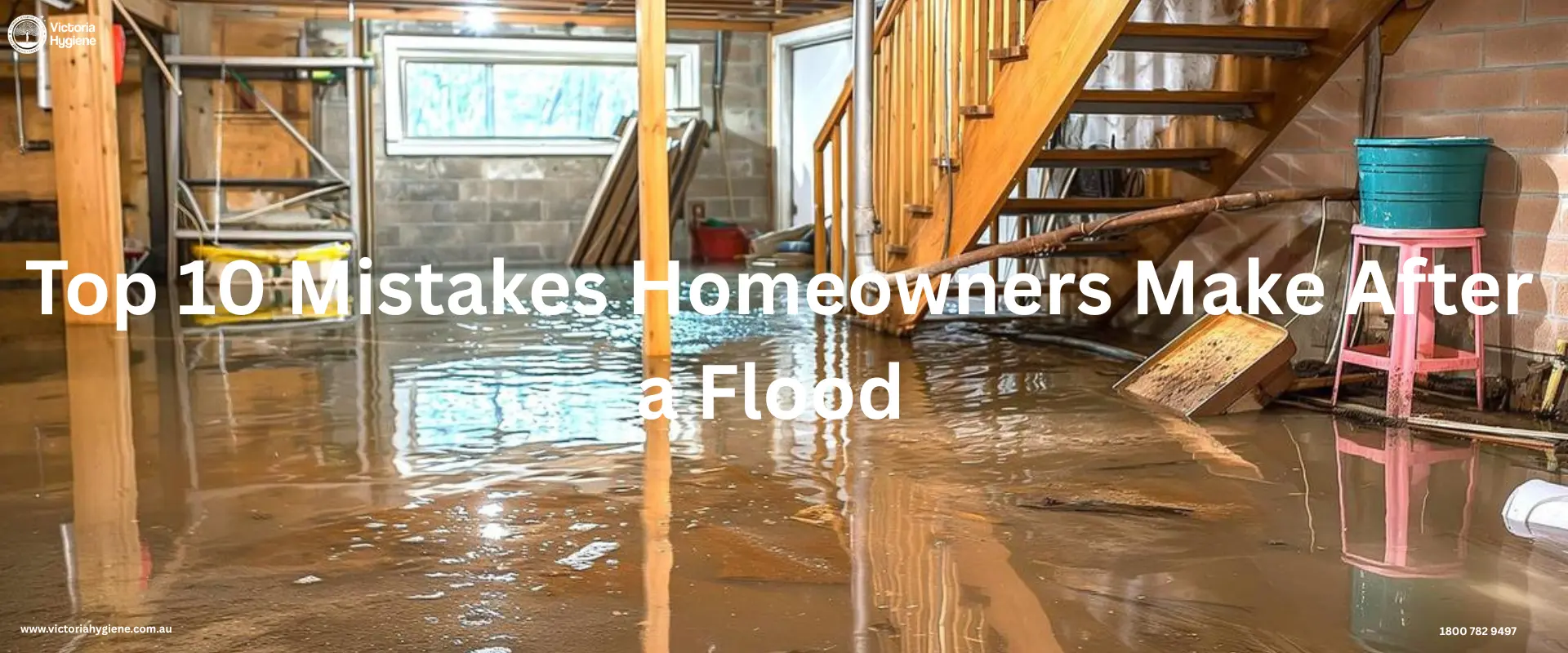
When a flood comes and hits your home then it always brings hidden impurities along with visible water damage. It causes long-term structural issues, tunately, many house owners make small mistakes, but because of these mistakes, they have health issues and also unexpected expenses if you do not handle that right away. Unfor pay a huge cost during flood cleanup. If you know what not to do after a flood, then it is just as important as knowing the right steps to take.
In this blog, we will get to know about the top 10 flood restoration mistakes that homeowners usually make, explain why they are risky and also provide you with guiding tips for water damage restoration to help you avoid them. If you are living in any flood-prone area, then these tips will also be helpful for you.
The one big mistake after a flood is waiting too long before starting the restoration process. The water does not dry by itself but many house owners think that way. If we talk about reality, then the water stays, and the worst scenario is created.
The delay in cleaning up the mould is the perfect and right chance for the mould to grow. The mould can start forming within 24-48 hours of water entering. Meanwhile, you can notice the stains or bad smell already, which means mold is spreading inside the carpets and walls.
The Flood Damage Restoration Tip:- Act immediately, call the professionals for flood restoration service as soon as possible. A quick action can limit both property and health hazards.
There is a huge difference in the water coming from rain and the water coming from floods. The flooded water is always contaminated and contains chemicals, sewage and hazardous contaminants. Entering this water without precaution can expose you to skin irritation or infectious issues.
People entering a flooded area without checking for the electrical danger can be in life-threatening danger.
Water Damage Cleanup Tip: Do not enter the flooded areas without gloves, rubber boots and a mask. Switch off the electricity from the main point and wait for the professionals if the water level is high.
Some DIY methods may work for small spots, but the serious water damage requires an expert’s mediation. Many people use household fans or rent a vacuum to dry the area, and think that it is enough, but this always leaves hidden moisture in walls, ceilings and flooring.
Hidden moisture causes structural weakening and excessive mould growth that spreads weeks later.
Flood Restoration Mistake to Avoid: Do not rely on DIY methods; call the professionals, who use industrial-grade dehumidifiers and a moisture meter to check whether it is completely dry or not.
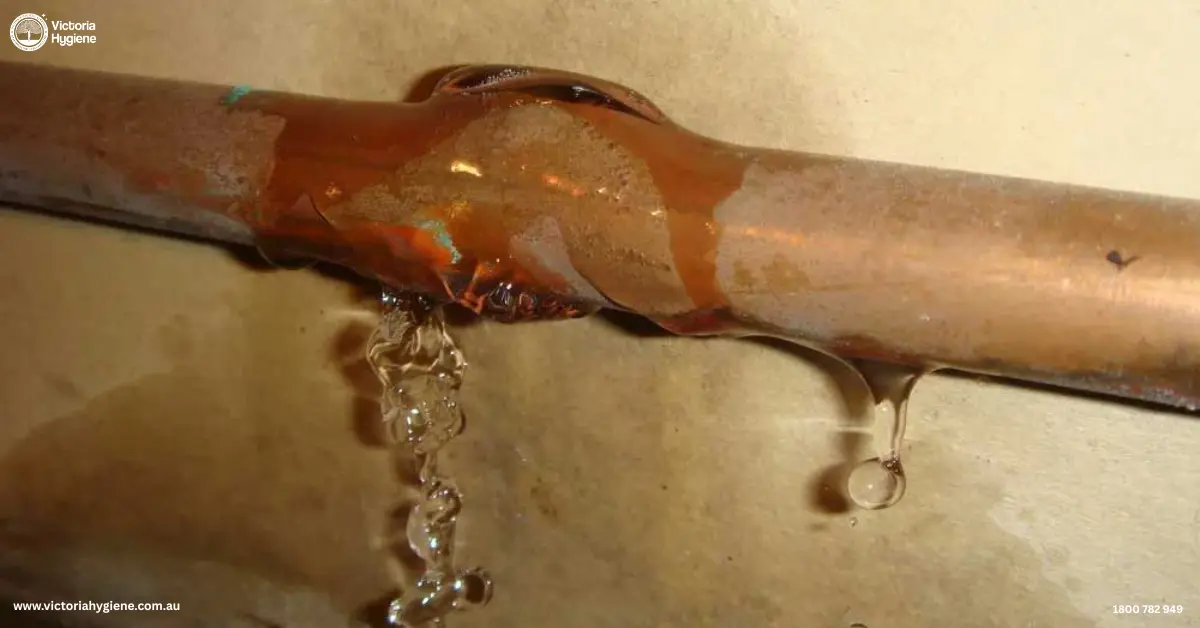
Many homeowners assume the problem is resolved after removing visible water, but the hidden water can flow into the walls, furniture, and flooring. After a period of time, this hidden moisture leads to rot, metal to rust and mold to thrive.
Flood Damage Restoration Tip: Always call professionals for the inspection using hidden moisture detection tools, they can immediately find the problem that we can’t see.
People not taking photos and videos of the damage before starting the cleanup is another common mistake. Without any proof, the insurance companies may reduce your claim or may deny the claim.
What Not to Do After a Flood: Document everything with clear videos and photographs, and keep receipts for the restoration expenses. Do not start throwing things here and there, and do not panic in a hurry.
The mould can easily be created by the moisture and floodwaters; it is the perfect environment for the growth of the mould. People do not pay attention to mold and forget about mold prevention; sometimes, they do not want to spend money on that. Within a few days, the mold bacteria spread and affect your health and property.
Flood Cleanup Mistake to Avoid: Always go for the treatment and inspection from professionals as part of flood restoration. If you live in humid areas, then mould prevention is a must.

People use bleach for a quick fix for disinfecting after a flood. Although it kills the surface bacteria, bleach doesn’t soak into porous material like fabric, wood or drywall. It means bacteria and mould may survive inside those surfaces.
Water Damage Cleanup Tip: Always rely on the professional standard of cleaning products and anti-microbial support for post-flood sanitation.
Some of the house owners throw away the reusable items immediately; on the other hand, some people keep everything, but it is also unsafe. For example, carpets, mattresses and cushioned furniture drenched in the floodwater, these things usually can’t be saved. On the other hand, glass items and metal can often be sanitised and restored to use.
Flood Damage Restoration Tip: This can save money while keeping your family safe. You can ask for help and guidance from the experts on what can be reused versus what should be replaced.
Water can weaken the foundation, walls and flooring apart from just damaging the surfaces, and many homeowners make the mistake of coming back home too soon without checking for structural risks.
Flood Cleanup Mistake to Avoid: Safety should be your priority, so always check your home for wrapping, cracks or instability before resetting.
Perhaps the huge mistake is thinking you don’t need professional technicians for restoration. While DIV looks cheaper, improper cleanup always leads to major repeated problems, high repair costs, and health risks down the road.
Flood Restoration Melbourne Tip: At the start, hiring experts may feel like an extra expense, but it is actually a long-term investment for safety and savings.
Flooding gives stress, and it is natural to want life to return to normal as soon as possible. However, hurrying in this process and making common mistakes after a flood can create future problems.
By avoiding these mistakes, you are not only protecting your property but also protecting the family’s health.
If you live in Melbourne and are struggling with these problems, we are just a call away from you. With the right water damage restoration and expert support, you can save your home.