
Mould Growth

Mould Growth After Water Damage: How Fast it Spreads and Why Early Action Matters

When water damage your home, it’s easy to think, I’ll clean it up later.” But the truth is, water doesn’t wait. Within hours of a leak or flood, water can trickle into walls, carpets, furniture, and unseen spots of your home. And with water comes one of the serious and unseen risks, and that is mould. 

The increase of the mould after water damage is not just a bad spot on the wall or a dirty odour in your house; it’s a major health problem and high-cost damage if ignored. The mould increases very fast, and the speed at which the mould spreads is frightening. The longer you delay, the harder (and more expensive) it becomes to restore. 

In this blog, let’s break it down in simple terms: 
  • How quickly does mould spread after water damage? 
  • Why quick response matters. 
  • What you can do to save your house and well-being. 
  • How professional help, like mould removal and water damage restoration services, can stop the crisis. 
Mould Growth

How Quickly does Mould Spread After Water Damage?

The answer is: very fast. 

When your house undergoes water damage, whether from a roof leak, a broken pipe, or a flood, mould airborne particles start acting right away. Here’s a simple timeline to help you understand: 

  • Within 24–48 hours, Mould bacterial particles can start to increase on wet surfaces. This is the serious window where quick action makes a huge difference.
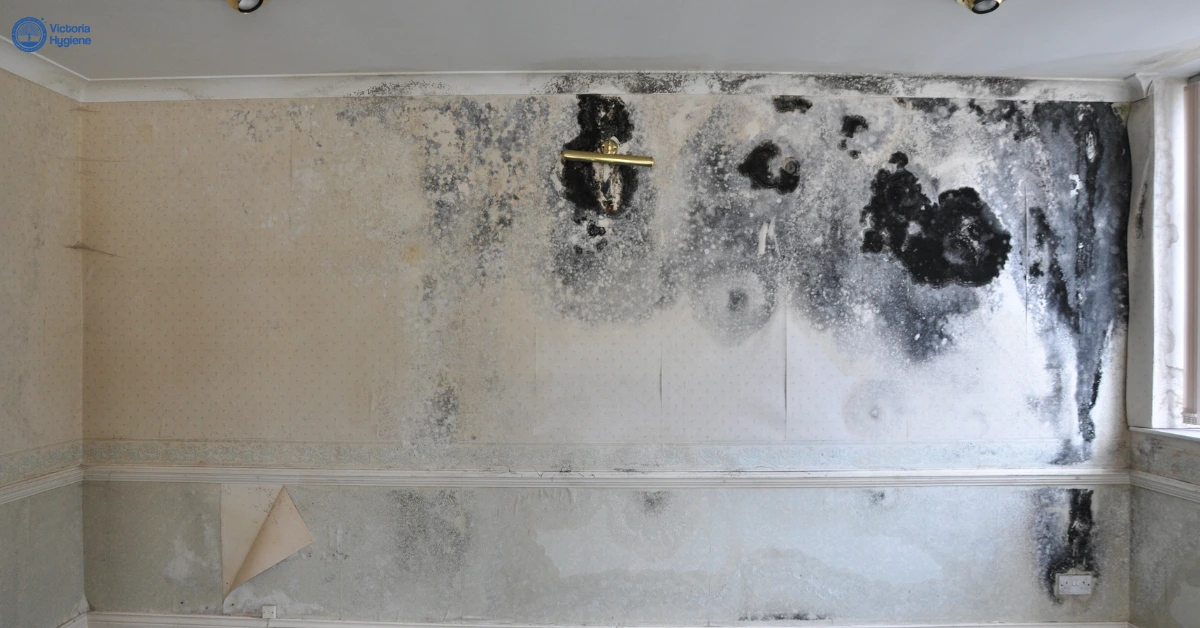
  •  Within 3–7 days: You may notice clear indication signs of mould, green, white, or black patches on ceilings, carpets, wooden furniture, roof, walls or wooden furniture.
  • After 1–2 weeks: Mould may have already multiplied deep inside walls, under flooring, and into the unseen areas beyond our naked eye. At this point, DIY cleaning won’t work, and professional mould remediation is usually needed.

So if water damage occurs, even if it looks “tiny,” waiting just a few days can turn a small issue into a major one. 

Why Mould Growth is Such a Big Problem?

Many house owners think mould is just about visual signs or a musty odour. But the fact is, mould damages both health and property. 

  1. Health Risks:- Mould releases small fungal particles into the air that can lead to: 
  • Allergic reactions and skin problems. 
  • Breathing difficulties like asthma or coughing 
  • Headaches and exhaustion 
  • Risky issues for kids, elderly people, or those with weak immunity.

Breathing mould particles daily is like living in a house with unseen poison.  

  1. Property Damage:- Mould deteriorates organic materials like wooden material, drywall, and carpet. Over time, this damages the structure of your house. What starts as a tiny spot on the upper surface of the house could mean damage to structural beams or decaying walls if ignored. Repairing structural issues costs much more than simply calling a water damage repair service early on. 

Why Early Action Matters?

Every minute counts when it comes to water damage. Here’s why: 

  1. Stops mould before it expands– rapid water damage restoration can remove moisture from your home before mould can develop. 
  2. Saves money – Prompt action keeps costs down. 
  3. Protects health – The less time mould’s harmful particles are in your home, the safer your family and your loved ones. 
  4. Prevents hidden damage – Water seeps into areas which is not visible to us sometimes. Quick mould removal and drying preserves the walls and floors of the house.

Think of it like this: resolving a roof leak today costs far less than installing a new. 

Common cause of Mould after Water Damage

Floods are not always the reason for mould growth; some of the most common reasons can be:- 

  • Roof leak – Ceilings and walls can be harmed by rainwater dripping from the cracks 
  • Burst or leaking pipes – Often covered behind walls or under floors. 
  • Water overflows like flooding– From heavy rains, storms, or sewage backup. 
  • Inadequate airflow– Bathrooms, kitchens, and basements are mould’s favourite spots. 
  • Malfunctioning appliance leak– Washing machines, dishwashers, or water heaters.

Even a small amount of wetness can lead to a fertile environment for mould if not addressed.  

Can You Get Rid of Mould Youself?

This is one of the biggest questions people ask. The fact is: it depends. 

  •  If it is a very tiny patch (<1square meter), then u can try to clean it with water, vinegar or soap. 
  • But if mould does not fade away and keeps coming back then then it means it is expanding into hidden places and covers a larger area. Here, you need the help of professionals.

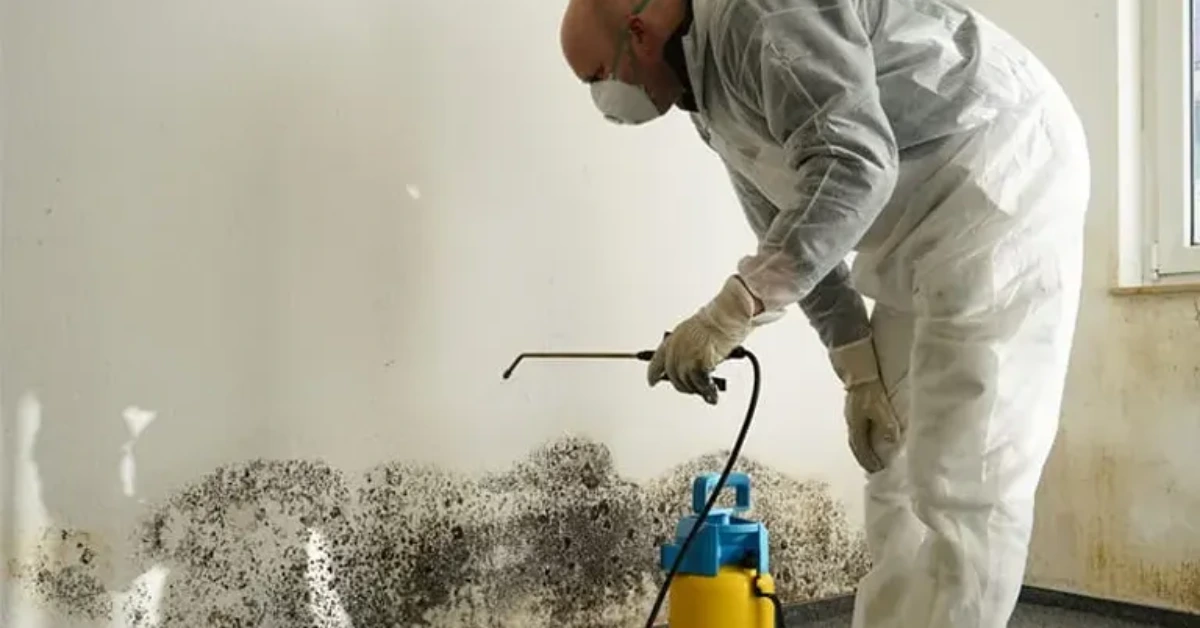
DIY cleaning mainly gets rid of only the visible mould on the surface, while the real problem stays unseen. That’s why it is very important to seek help from professionals in mould remediation. The professional technicians will not just clean the mould; they identify the source of wetness, dry everything in a certain way and rescue from the mould. 
What is Mould Remediation?

Mould Growth

There are two terms usually used: Mould removal and Mould remediation. But these two terms are not the same. 

  • Mould removal means cleaning and removing the seen or visible mould. 
  • Mould remediation goes deeper. It includes finding the origin of the water, drying everything, and making sure that mould does not come back.

For example, if you live in Melbourne and your home was recently damaged by heavy rains or flood, calling for Mould remediation in Melbourne means the technicians will not only remove visible mould but also repair the wet issue, it can be any kind of water leakage. 

Steps Proffesionals Take for Water Damage and Mould

When you call a water restoration service, here’s what usually happens: 

  1. Evaluation – They check where the water is coming from and how far it spreads.  
  2. Water extraction – Powerful machines and equipment are used to suck out water from carpets, floors, walls, or anywhere it is stored. 
  3. Drying – They use different kinds of equipment for drying the surface that is affected. 
  4. Mould remediation – Our technicians remove mould securely without spreading bacterial particles into the air. 
  5. Cleaning & sanitising – Areas, air vents, and belongings are cleaned to remove mould spores and bacterial particles 
  6. Repair & restoration – Any damaged walls, floors, or ceilings are repaired. 
     

This procedure ensures your home is safe, dry, and healthy again. 

Why Professional Help is Worth it?

Some people do not want to call professionals and want to do it on their own, but think about it: 

  • Delaying water damage repair = higher costs later. 
  • DIY cleaning often does not work. The mould comes back most of the time.
  • Health is priceless. You can’t put a price on your family’s safety. 

We are IICRC certified and a certified team that not only handles the problem immediately but also makes sure that mould doesn’t return. Our team is preventing tomorrow’s disaster, not only fixing today’s mess.  

How to Prevent Mould Growth in the Future?

While immediate problems occur, there are a few steps you can take to reduce your hazard: 

  • Fix leaks at that time, no matter how small. 
  • Check your roof on a daily basis, especially after heavy rain. 
  • Keep your bathrooms and kitchens properly ventilated. 
  • Use an air dehumidifier if your home feels humid. 
  • Don’t ignore wet carpets or water stains. 
  • Schedule routine checks for plumbing and appliances. 
     

These small precautions can help you save from big mould issues later. 

Real-Life Example

Let’s take a simple example: 

A family in Melbourne had a small roof leak during heavy rain. They thought it was minor and just wiped the water off the ceiling and ignored the problem. But two weeks later, dark patches and a bad smell appeared in the bedroom of the kids, and the kids started coughing at night. 

When they finally called for Mould remediation in Melbourne, the experts came and checked that the mould had multiplied inside the ceiling and walls. Now, the repair cost was much higher than if they had called a water damage restoration service at the time of leakage after the leakage. 

This shows why quick action matters. 

Final-Thought

Water damage and mould growth go hand in hand. The moment water enters your home, mould particles are waiting to expand. Within just 24–48 hours, mould can begin to grow, and if left unnoticed, it expands quickly, destroying your home and then affecting your health. 

The key lesson? Don’t wait. 

Whether it’s a roof leak, a broken pipe, or a flood, calling a professional water damage repair or mould remediation service right away saves time, money, and stress. If you’re in Melbourne or nearby, then do not hesitate, get quick help. We are giving 24/7 service.   

Always remember, if we act fast, then we can fix our problem very easily, else we have to compromise with our home, health and future. 

Follow us on Instagram and Linkedin for Updates and Tips.