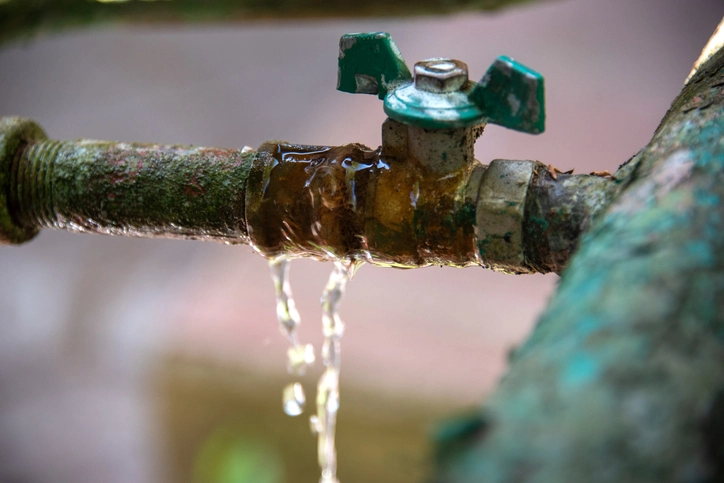
Water-related property damage accounts for 34% of all business claims, surpassing fire (16%) and theft (9%). (Source: Steadfast Group)
Isn’t it a kind of nightmare for every business? Imagine you’re gearing up for a big client meeting on Monday, but over the weekend, a hidden pipe behind your break room bursts. Instead of landing a deal, you’re landing in ankle-deep water, replacing documents, equipment, and flooring. Water damage sources in commercial buildings can strike at the worst times with the fact that water waits for no one.
Water damage is one of the most costly and disruptive issues businesses face. From affecting day-to-day operations to causing long-term structural problems, water intrusion can severely impact commercial properties.
Commercial water refers to the water used in business and industrial settings to support various operations, from manufacturing and HVAC systems to pantries, restrooms, and fire suppression. Unlike residential water use, commercial water involves larger volumes and more complex systems, making leaks or damage potentially more costly and disruptive.
Understanding how water is utilised in commercial buildings helps identify common commercial water damage sources, such as broken pipes, malfunctioning systems, or sources of roof leaks in offices, and highlights the importance of timely detection and restoration to protect business assets and operations.
How Water Is Used Commercially in Australia?
Water plays a vital role in commercial operations across Australia, from irrigation in agriculture to cooling systems in manufacturing. However, with increasing water restrictions and climate challenges, managing water use carefully is more important than ever.
Understanding common sources of water damage helps businesses protect their investments and comply with environmental standards.
What Are the Most Common Commercial Water Damage Sources?
Commercial buildings are complex systems, and water can find its way in through multiple channels. Here are the most common commercial water leak sources:
1. Leaking or Burst Pipes
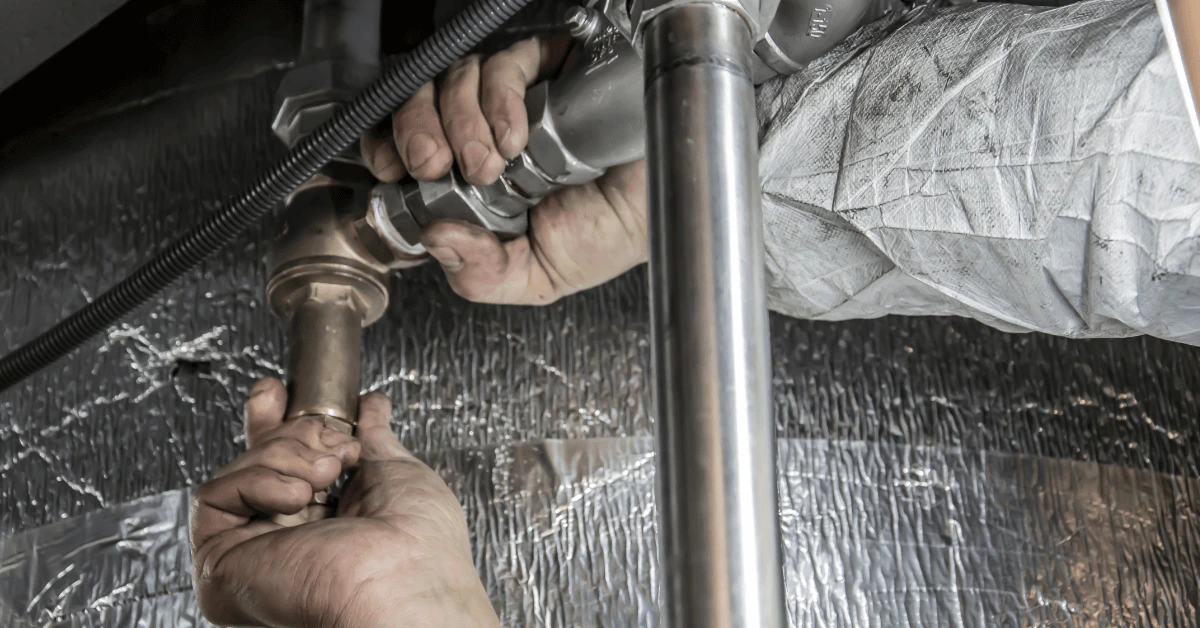
Aging or poorly maintained plumbing pipes can crack or burst due to corrosion, freezing temperatures, or pressure changes. Hidden leaks behind walls or under floors can persist unnoticed, causing gradual but severe damage.
Key Impact: Burst pipes can flood rooms quickly, damaging electrical systems, flooring, and equipment, sometimes leading to prolonged business closures.
2. Roof Leaks
One of the biggest culprits in commercial buildings, roof leaks often result from damaged flashing, cracked or missing shingles, clogged gutters, or poor roof maintenance. Water seeps through unnoticed until it damages ceilings, insulation, and structural supports. Harsh weather events like storms or heavy rain increase the risk.
Key Impacts: Roof leaks can cause ongoing water infiltration, leading to mould growth and weakening of building integrity over time. Regular roof inspections and timely repairs are crucial.
3. Faulty HVAC Systems
Heating, ventilation and air conditioning (HVAC) systems can be a hidden source of water damage. Condensation from HVAC units, clogged drain lines, or leaks in the system can add moisture to indoor spaces that damage ceilings, walls, or electrical systems.
Key Impacts: HVAC-related water damage often goes unnoticed until it causes mould or structural damage, impacting air quality and employee health.
4. Malfunctioning Appliances
Commercial appliances such as dishwashers, water heaters, refrigerators, or ice machines can malfunction and cause water leaks or floods.
Key Impact: Appliance leaks often damage floors, cabinetry, and electrical outlets, with risks increasing the longer the issue remains unresolved.
5. Sewer Backups and Overflowing Toilets
Sewer system failures or blockages can cause wastewater to backflow into commercial properties. This not only causes water damage but also poses significant health risks. Overflowing toilets due to plumbing issues or misuse can create a similar mess.
Key Impact: Left unaddressed, these issues can lead to costly cleanup, mould growth, and extend business disruption.
! Important Tip: Routine plumbing maintenance and emergency response plans are essential to handle these biohazard situations swiftly.
5. Clogged or Damaged Gutters and Downspouts
If gutters or downspouts are clogged with leaves or debris, water can overflow onto walls, foundations, and landscaping. This can erode soil, damage exterior walls, and create basement flooding or foundation cracks and other water damage over time.
Key Impact: The excess moisture can promote mould growth, weaken exterior materials, and compromise the integrity of your commercial property.
! Important Tip: Regular gutter cleaning and inspection prevent water pooling and structural damage caused by improper drainage.
6. Sprinkler System Failures
While fire sprinklers are essential for safety, malfunctions can cause accidental water discharge. Faulty sprinkler heads, broken pipes, or system failures can lead to significant water damage, especially if the system activates unnecessarily.
Key Impact: Unintended sprinkler discharges can flood large areas in minutes, damaging ceilings, electronics, inventory, and documents.
7. Foundation Cracks and Hydrostatic Pressure
Water can enter a building through cracks in the foundation or walls can increase hydrostatic pressure, forcing water through cracks into basements or crawl spaces. Water pooling around the foundation after heavy rains increases the risk of basement flooding and structural damage.
Key Impact: Constant water leaks can weaken the building’s structure, cause mould to grow and lead to expensive foundation repairs.
! Important Tip: Proper grading, waterproofing, and drainage systems around foundations reduce this risk.
8. Improperly Installed or Damaged Windows and Doors
Water can enter through gaps or cracks around windows and doors caused by poor installation, aging seals, or weather damage. This can lead to mould growth, rot, and interior water damage.
Key Impact: Leaks from damaged or poorly sealed windows and doors can cause higher energy bills, damage to interior finishes, and create conditions that attract pests.
9. Water Intrusion from Landscaping
Improperly designed landscaping that slopes toward the building or blocked drainage paths can channel rainwater directly against walls and foundations. This can lead to increased moisture levels inside.
Key Impact: Poor landscaping can increase structural decay and reduce the property’s value.
10. Human Error or Negligence
Sometimes water damage is caused by accidental human actions such as leaving faucets running, failing to report leaks promptly, or improper use of water systems. Train staff to recognise and report water issues can reduce these risks.
Key Impact: Human mistakes can create safety hazards, putting employees and customers at risk.
11. Water Damage from Firefighting Efforts
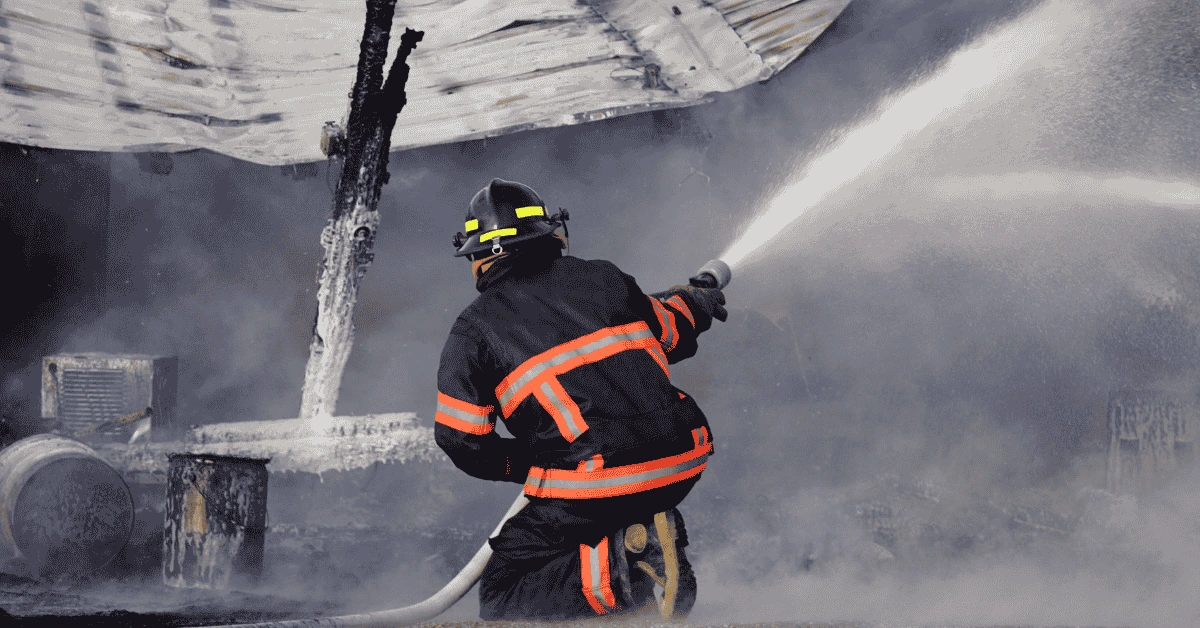
Though fire damage is often the immediate concern, water used to extinguish fires causes extensive secondary damage. The volume of water sprayed can soak floors, walls, and equipment, requiring professional drying and restoration.
Key Impact: Water used to fight fires can damage electrical systems, increasing the risk of shorts and outages.
! Important Tip: A professional restoration team needs to fix both fire and water damage together to fully restore the property.
These are the most common sources of commercial water damage, which can lead to property damage, business loss, and decreased productivity. Below are some common questions you might have if you’re concerned about commercial water damage and want to take immediate action or educate your staff on how to handle it.
What Should You Do Immediately After Water Damage in Commercial Buildings?
Knowing what to do right after water damage can save time, reduce costs, and prevent further damage. Immediate steps include:
- Shutting off the water source (if safe and possible)
- Contacting professional water restoration services to assess and begin cleanup
- Removing valuable or sensitive items from affected areas
- Documenting the damage with photos for insurance claims
- Avoiding electrical hazards by not touching wet electrical equipment
How to Find the Source of Commercial Water Damage?
Identifying the exact source is crucial for effective repairs. Common methods include:
- Inspecting visible leaks in plumbing, roofs, or HVAC systems
- Using moisture meters and infrared cameras to detect hidden water
- Checking for signs like damp spots, mould, or water stains on walls and ceilings
- Reviewing recent weather or construction activity that could have affected the building
What Commercial Materials Can Be Damaged by Water?
Water can harm a wide range of materials commonly found in commercial buildings, including:
- Drywall and plaster (can swell, weaken, or crumble)
- Wood and laminate flooring (can warp or rot)
- Carpets and upholstery (can develop mould and odours)
- Insulation and ceiling tiles (lose effectiveness and support mould growth)
- Electrical systems and equipment (risk of short circuits and failure)
- Paper records and packaging (can be irreparably damaged)
Conclusion:
Commercial water damage can strike unexpectedly and increase quickly leading to costly repairs, operational disruptions, and long-term structural issues. By understanding the common sources of water damage in commercial buildings, business owners and facility managers can take proactive steps to prevent incidents and reduce risk.
If you suspect water damage or have already experienced a leak, don’t wait. Immediate action is crucial to minimise the impact and prevent further complications like mold or structural decay.
Contact professional water restoration experts right away to assess the situation, stop the source, and begin the drying and recovery process. The sooner you act, the faster your business can return to normal operations safely and efficiently.
Follow us on Instagram and LinkedIn for expert advice and updates.