Safe Removal & Disposal

Contaminated Material Removal Specialists

We safely remove and dispose of mould-damaged materials, furniture, and contents to prevent further contamination and support long-term remediation.

Get a Quote!

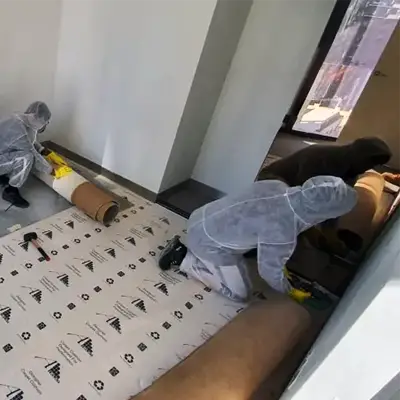
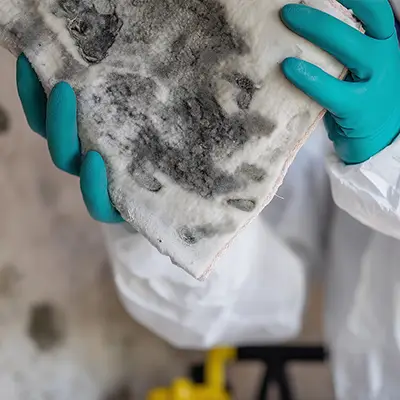
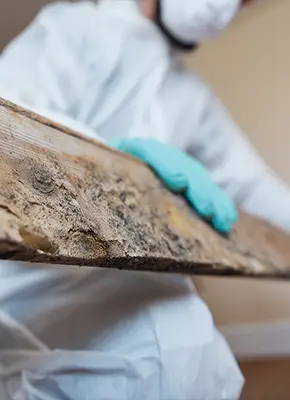
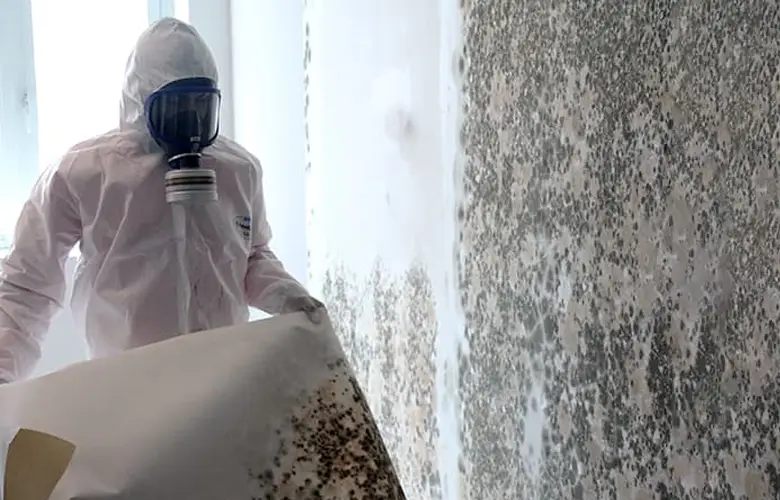
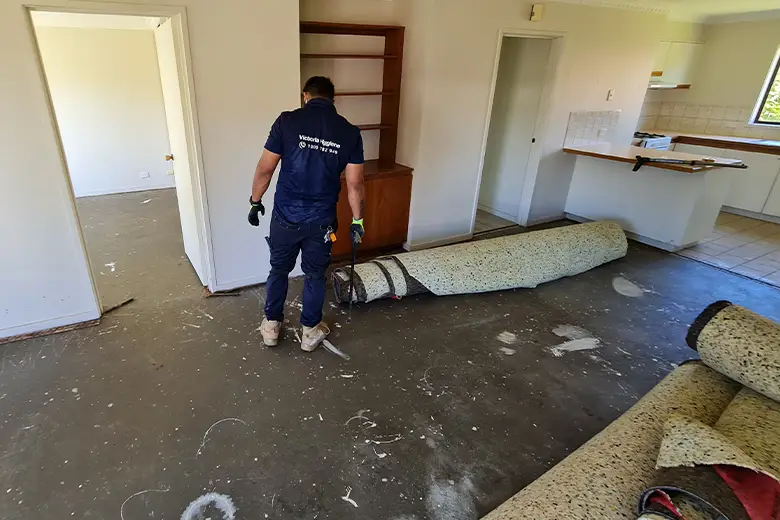
    Safe disposal of mould-contaminated waste by professionals in Melbourne
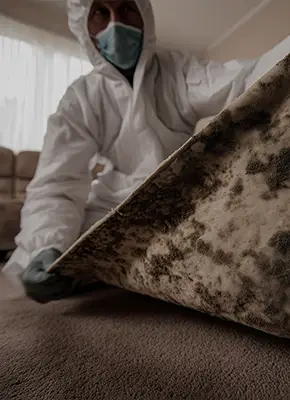
    Professionals disposing of mould-infested carpet in Melbourne property
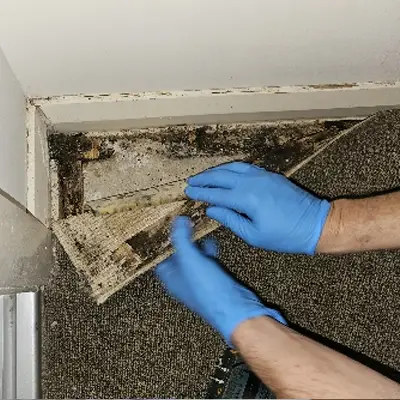
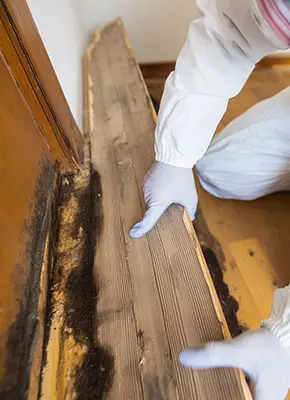
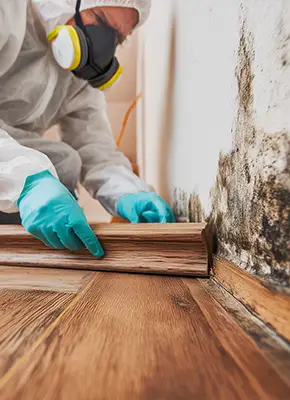
    Technician removing mould-infested wooden skirting board in Melbourne property
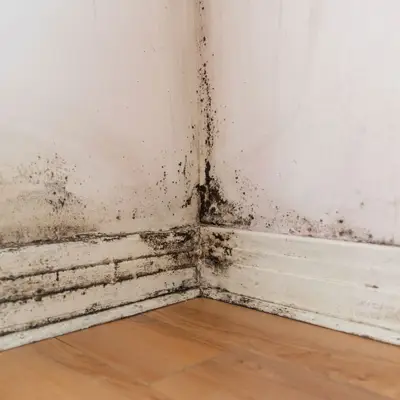
    Technician removing mould-infested wooden skirting board in Melbourne property
    Trusted & Reliable – AVAILABLE 24x7

    Professional Contaminated Material Removal in Melbourne

    When mould penetrates porous materials like plasterboard, insulation, carpets, and timber, cleaning alone is no longer effective. These contaminated materials must be safely removed and disposed of to eliminate health risks and stop cross-contamination. Victoria Hygiene’s certified technicians offer professional removal services for mould-infested structural and non-structural items.

    With 18+ years of experience, we assess each item or surface and remove only what’s necessary, minimising disruption while following industry standards for safety and compliance. Our team services residential, commercial, and industrial properties across Melbourne, including rental properties, medical centres, schools, and construction sites.

    We handle everything, from secure containment, Mould Remediation and removal to compliant disposal at licensed facilities, so your remediation project is completed safely and legally.

    Learn more about mould here : Mould Growth after Water Damage

    Black Mould vs Common Mould

    ISO 9001 certification badge representing quality assurance by Victoria Hygiene in flood and water restoration
    ISO 45001 certification badge showing Victoria Hygiene’s commitment to occupational health and safety in Melbourne
    ISO 14001 certification icon representing Victoria Hygiene’s eco-friendly UV disinfection and hygiene services in Melbourne
    IICRC certification badge representing Victoria Hygiene’s certified water damage restoration services in Melbourne
    IAF certification badge representing globally recognized quality assurance for restoration services in Victoria
    Victoria Hygiene logo with certified badge for water and flood restoration services in Melbourne
    WHY CHOOSE VICTORIA HYGIENE

    Protecting Your Property When It Matters the Most

    IICRC-Certified Experts

    A professionally trained & certified team of technicians in Melbourne.

    Next-Gen Technology

    Modern equipment for faster drying and damage recovery.

    18+ Years of Excellence

    Trusted industry experts in water and flood restoration.

    Rapid Response

    On-site within 45 minutes to prevent further loss.

    Eco-Friendly Solutions

    Safe, non-toxic cleaning and restoration methods.

    Fully Insured

    Protecting your property with public liability insurance.

    Dedicated Project Manager

    A single point of contact for end-to-end support.

    Seamless Restoration

    Restoring your property as close as possible to its original condition.

    OUR SAFE REMOVAL METHOD

    Our Contaminated Material Removal Process

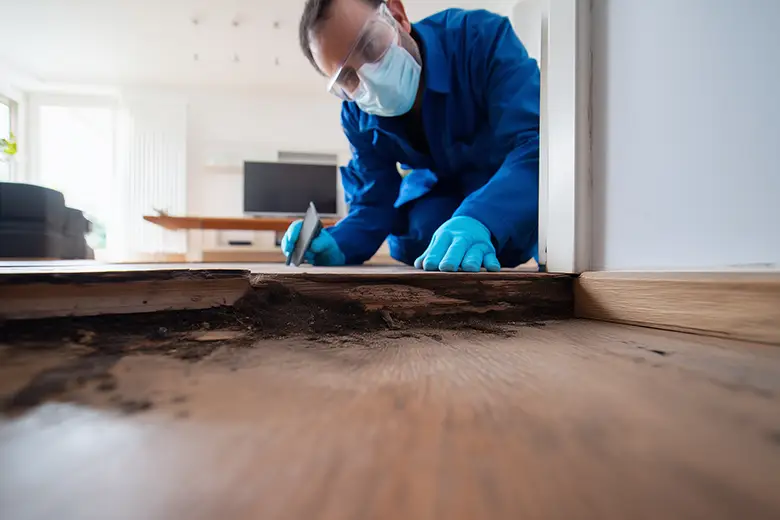
    Damaged flooring being removed due to mould infestation in Melbourne home
    Technicians removing mould-infested damp carpet from Melbourne home
    Technicians removing contaminated materials from a Melbourne property
    Technician removing mould-damaged wooden skirting board in Melbourne property

    Contaminated material removal is critical for effective mould remediation and indoor air restoration. Our trained professionals follow strict safety protocols to ensure hazardous materials are handled, contained, and disposed of without spreading spores or causing further damage.

    These are the steps we follow to in anti-mould treatment:

    Professional inspecting mould-affected site in Melbourne
    Step 1

    Inspection & Item Assessment

    We inspect all affected areas and assess the extent of mould contamination in building materials and personal belongings. Items are categorised as salvageable or non-salvageable based on porosity, damage level, and health risk.

    Step 2

    Site Containment & Safety Setup

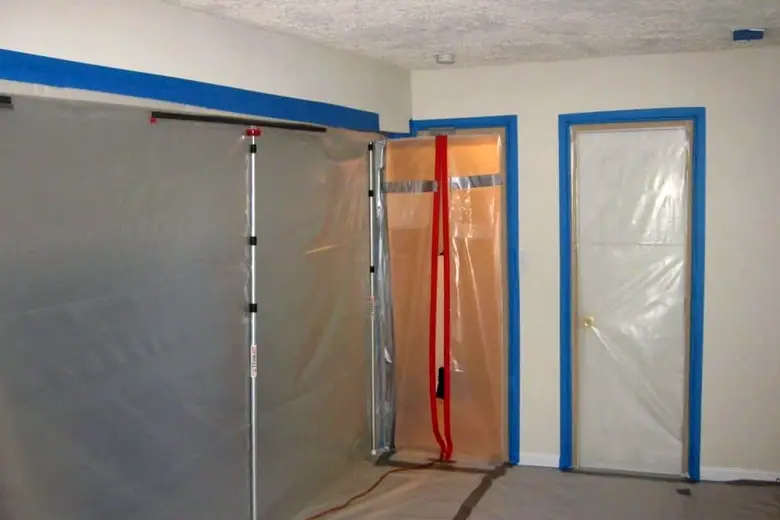
    Containment barriers, HEPA-filtered air scrubbers, and negative air pressure systems are installed to isolate the removal zone and prevent spore migration to unaffected areas.

    Safety barriers and containment setup for mould remediation site in Melbourne
    Technicians removing mould-contaminated drywall and insulation in Victoria property
    Step 3

    Controlled Material Removal

    Contaminated drywall, insulation, flooring, ceiling tiles, carpets, or furnishings are carefully removed using specialised tools and protective equipment. Each item is bagged or sealed to reduce airborne exposure during transport.

    Step 4

    Licensed Disposal

    All removed materials are transported to approved waste facilities in accordance with environmental and safety regulations. We follow EPA and WorkSafe Victoria guidelines to ensure legal and responsible disposal.

    Technicians removing and disposing of sewer-contaminated materials from a Melbourne property
    Technician spraying anti-mould solution on affected wall
    Step 5

    Post-Removal Clearance & Cleanup

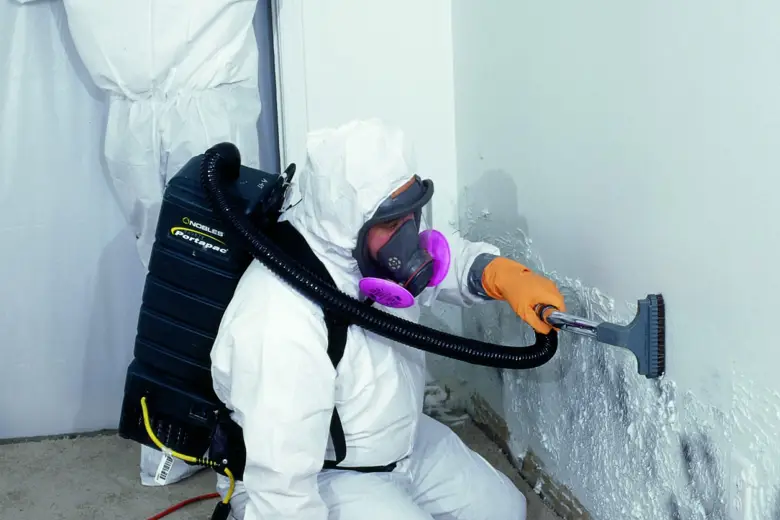
    Once removal is complete, the site is HEPA vacuumed, wiped with antimicrobial agents, and inspected to confirm no residual contamination remains. A clearance check may be conducted if required for insurance or compliance.

    With safety, compliance, and minimal disruption in mind, we help prepare your property for full recovery and future mould prevention.
    QUICK TIPS

    When to Remove Mould-Contaminated Materials

    Knowing when to remove instead of clean contaminated materials is key to effective remediation. Here are helpful tips to guide you when dealing with mould-infested contents or structural damage:

    • Check Material Type: Porous materials like carpet, insulation, and drywall absorb moisture and are often impossible to clean thoroughly. These usually require removal if visibly mouldy or saturated.
    • Assess Damage Depth: Superficial mould on non-porous items can often be cleaned. If mould has penetrated deep into materials or causes structural weakening, professional removal is essential.
    • Follow Professional Advice: Always have mould-affected areas assessed by certified professionals. They’ll recommend removal only when necessary and help preserve valuable, salvageable items.
    • Prioritise Health & Compliance: Mould-infested materials pose health risks and violate safety regulations in some settings. Timely removal avoids legal or insurance issues later.
    Connect With Us

    Do you have an emergency?

    We serve Melbourne CBD, Richmond, Brighton, Ringwood, Hampton, Doncaster, St Kilda, Collingwood, South Melbourne, West Melbourne, North Melbourne and all Victorian suburbs.

    Frequently Asked Questions

    Common Contaminated Removal Questions Answered

    What types of materials usually need removal after mould damage?

    Drywall, insulation, carpets, ceiling tiles, and certain wooden or upholstered items often require removal if heavily contaminated.

    DIY removal risks spreading spores. It’s best to hire professionals with proper containment and disposal procedures to ensure safety and compliance.

    Yes, we transport all removed materials to licensed waste facilities following EPA and WorkSafe guidelines for hazardous disposal.

    It depends on the material and contamination level. Our team inspects and advises whether cleaning or disposal is safer and more effective.

    Often, yes—especially if it results from insured events like flooding or leaks. We provide detailed documentation for claims.

    We clean and sanitise the area, then advise on drying, repairs, and preventive treatments to restore and protect your property.